Diamond Education
The carbon
truth.
Clarity is an optical question. The practical goal is a stone that is eye-clean: nothing visible face-up, with the naked eye, in normal light at a normal viewing distance.
Inclusions
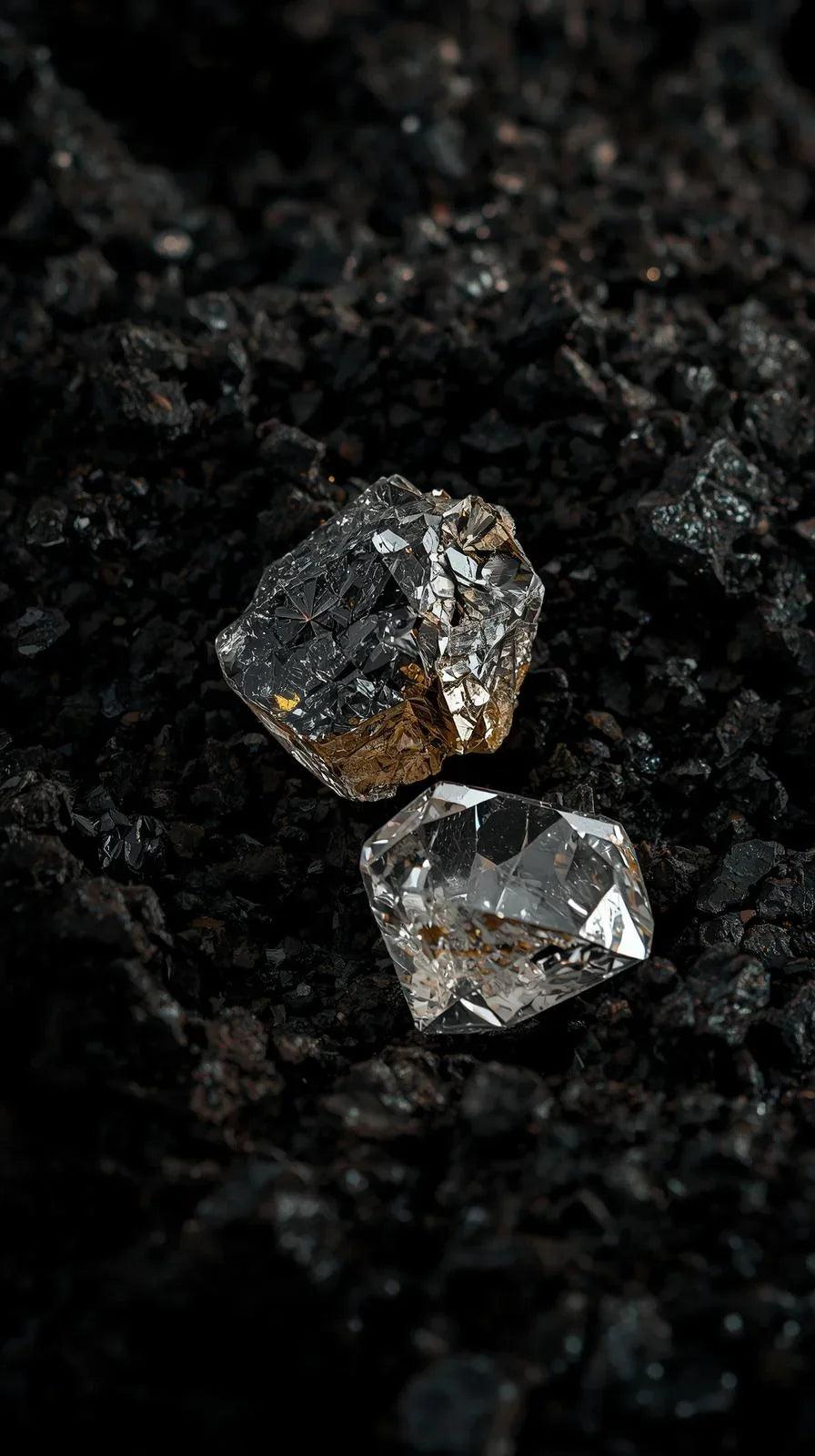
Inclusions are tiny characteristics inside a diamond that formed as it crystallized, such as crystals, feathers or clouds. Lab-grown diamonds have them too. They matter most when they are large, dark, or sit directly under the table, the large top facet.
Eye-clean
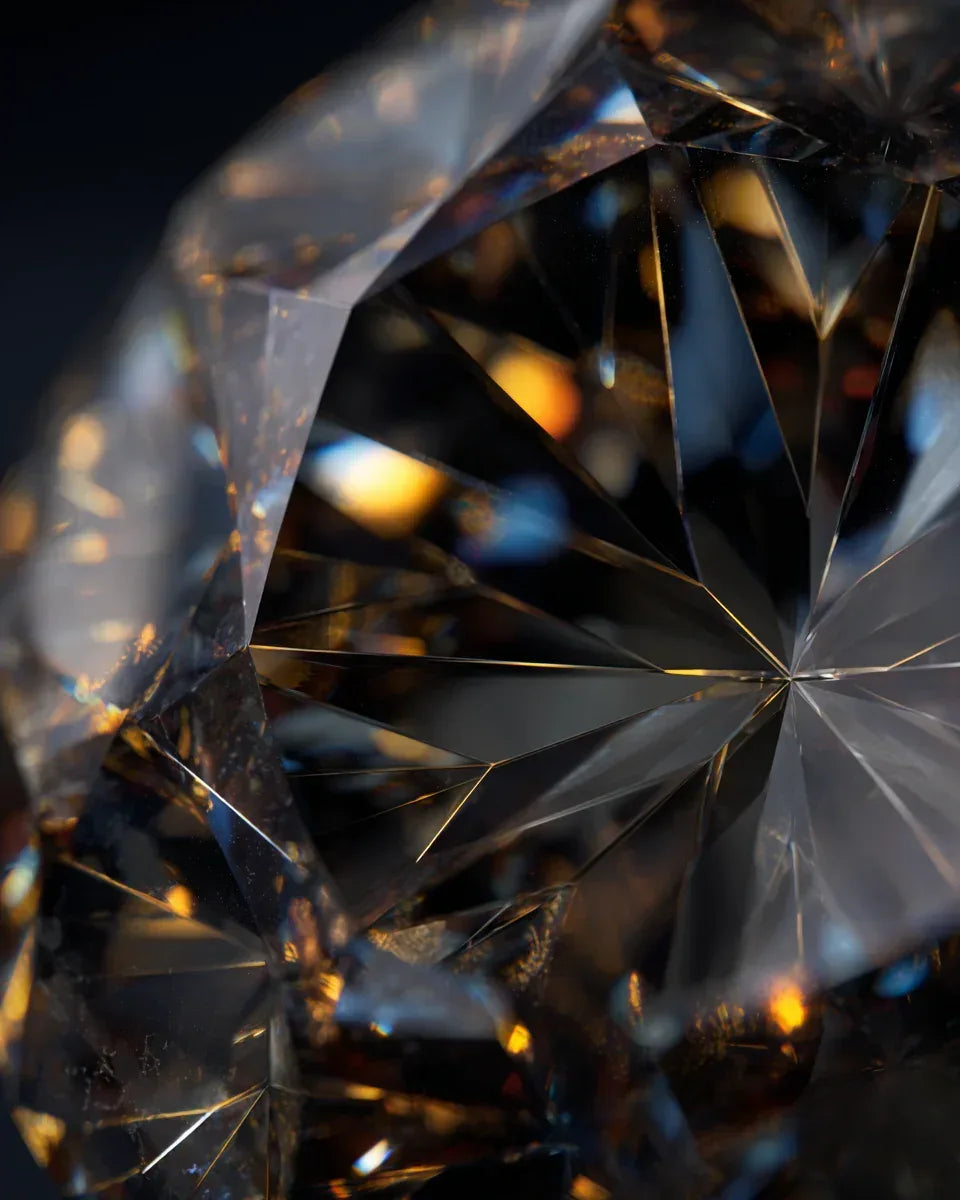
Eye-clean is the standard that matters in jewelry. A stone can carry a modest grade on paper and still be entirely clean to the eye, depending on where its inclusions sit and how it is cut.
Step cuts are the exception
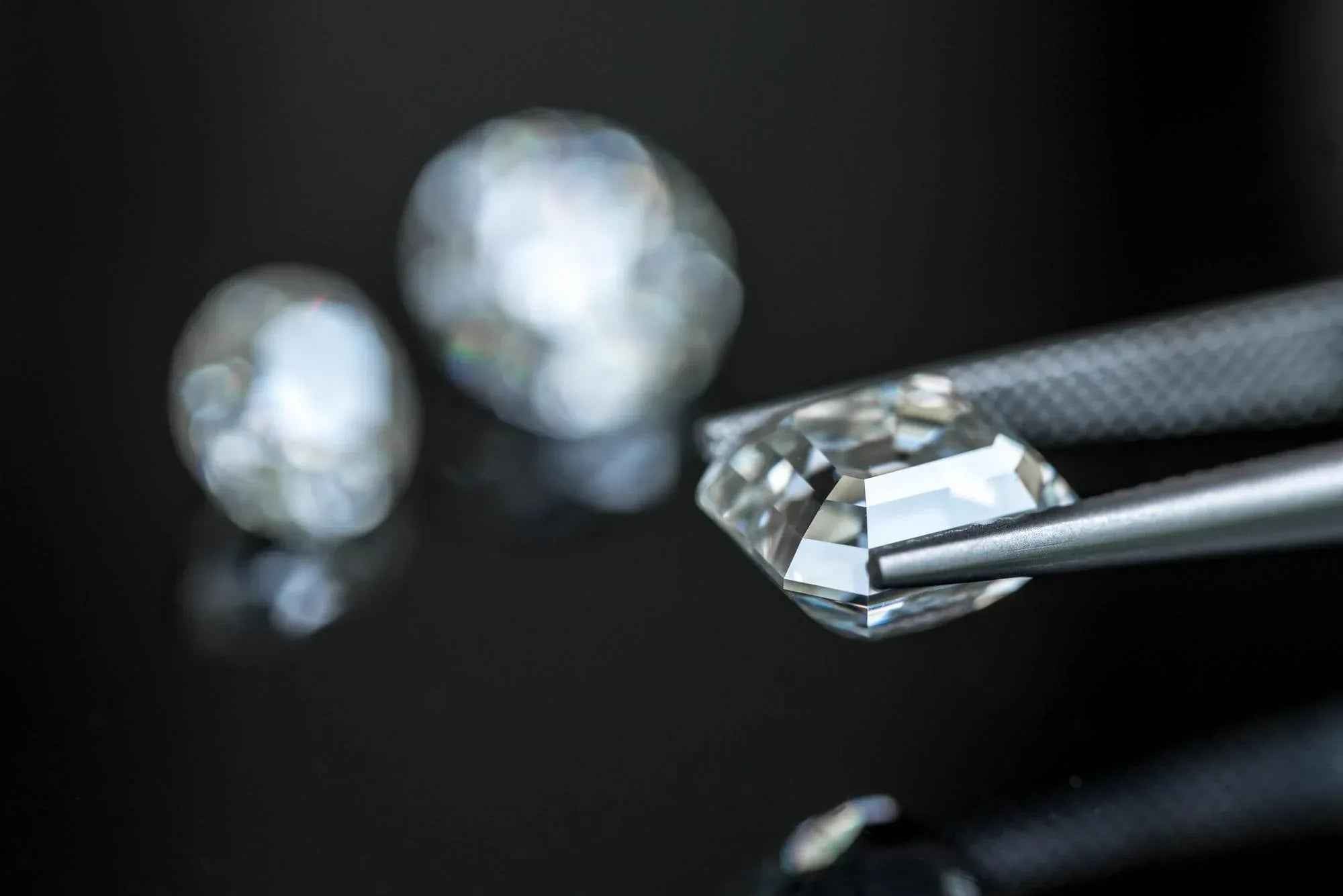
Emerald and Asscher cuts have long, open facets that act like windows into the stone. They need a higher clarity grade than brilliant cuts to look clean.
The clarity scale
| Grade | Under 10x magnification | In wear |
|---|---|---|
| FL / IF | No inclusions; IF may show minor surface blemishes | Rare; more than the eye can tell |
| VVS1 / VVS2 | Minute inclusions, very difficult to see | Clean; a strong choice for step cuts |
| VS1 / VS2 | Minor inclusions | Usually eye-clean; a practical choice for most jewelry |
| SI1 / SI2 | Noticeable inclusions | Can be eye-clean; choose with care |
| I1 – I3 | Obvious inclusions | Often visible; can affect brilliance and durability |
Questions
Are lab-grown diamonds always flawless?
No. They form inclusions as they grow and are graded on the same clarity scale as mined diamonds.
Can an inclusion weaken a diamond?
Large inclusions that reach the surface can. Small internal inclusions in the VS and VVS range are not a durability concern.
Is clarity more important than color?
It depends on the shape. Brilliant cuts hide inclusions well; step cuts show both clarity and color more readily.
Continue