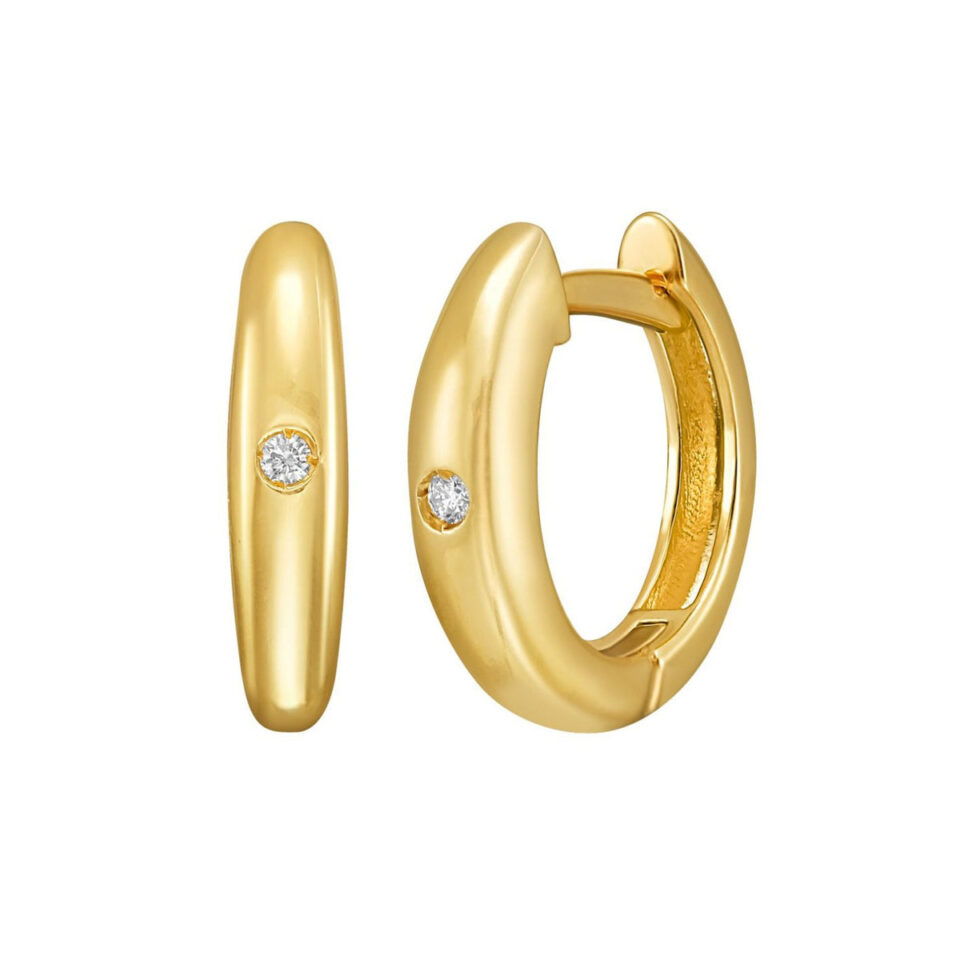
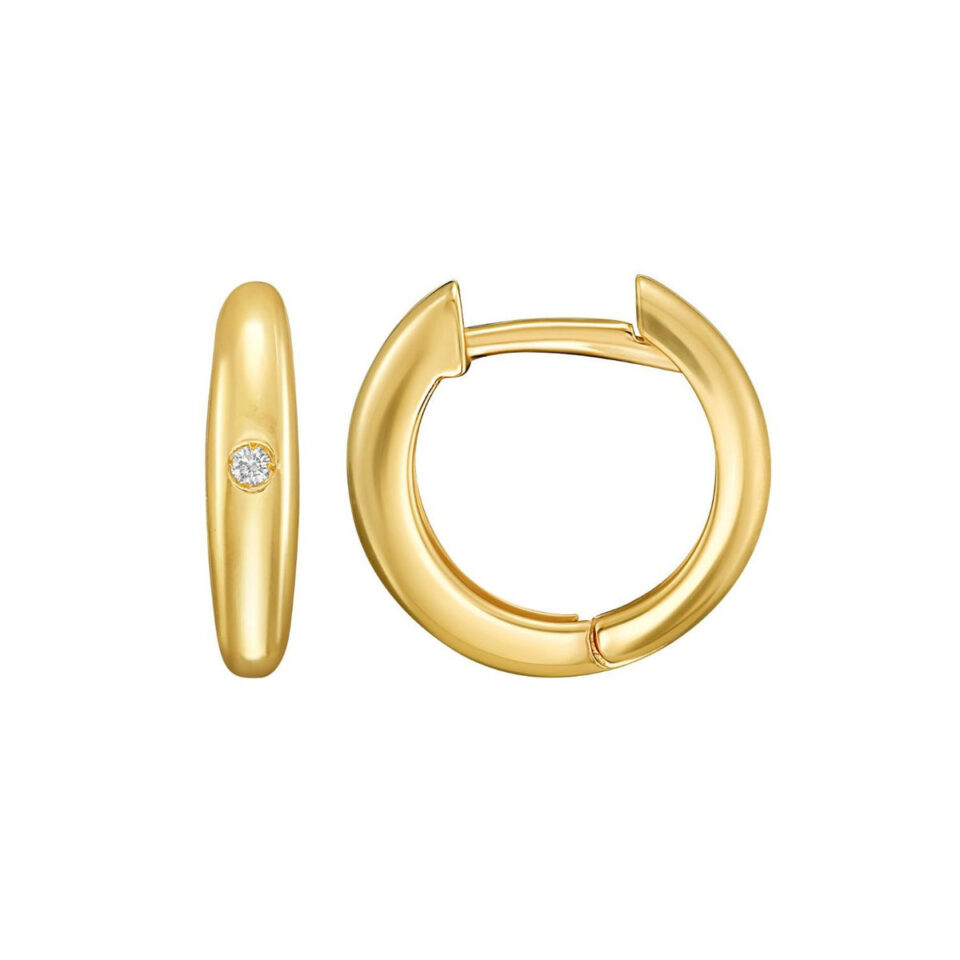
Lab-grown diamond jewelry in solid gold: rings, earrings, necklaces, pendants and bracelets.
Lab-Grown Diamond Jewelry
The collection
Lab-grown diamond jewelry in solid gold: rings, earrings, necklaces, pendants and bracelets.
547 pieces
Lab-Grown Diamond Arrowhead Open Ring, 1/5 ct tw, 14K White Gold to Pinterest (opens in a new window)
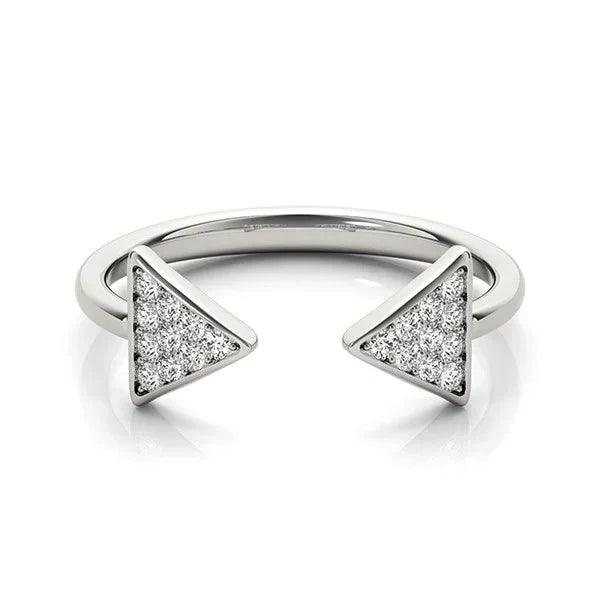
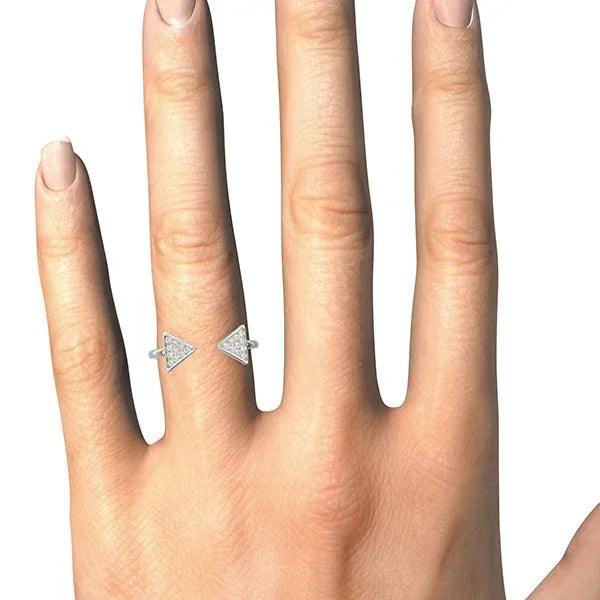
Lab-Grown Diamond Arrowhead Open Ring, 1/5 ct tw, 14K White Gold
14K White Gold · 1/5 ct tw Lab-Grown Diamonds
$1,654
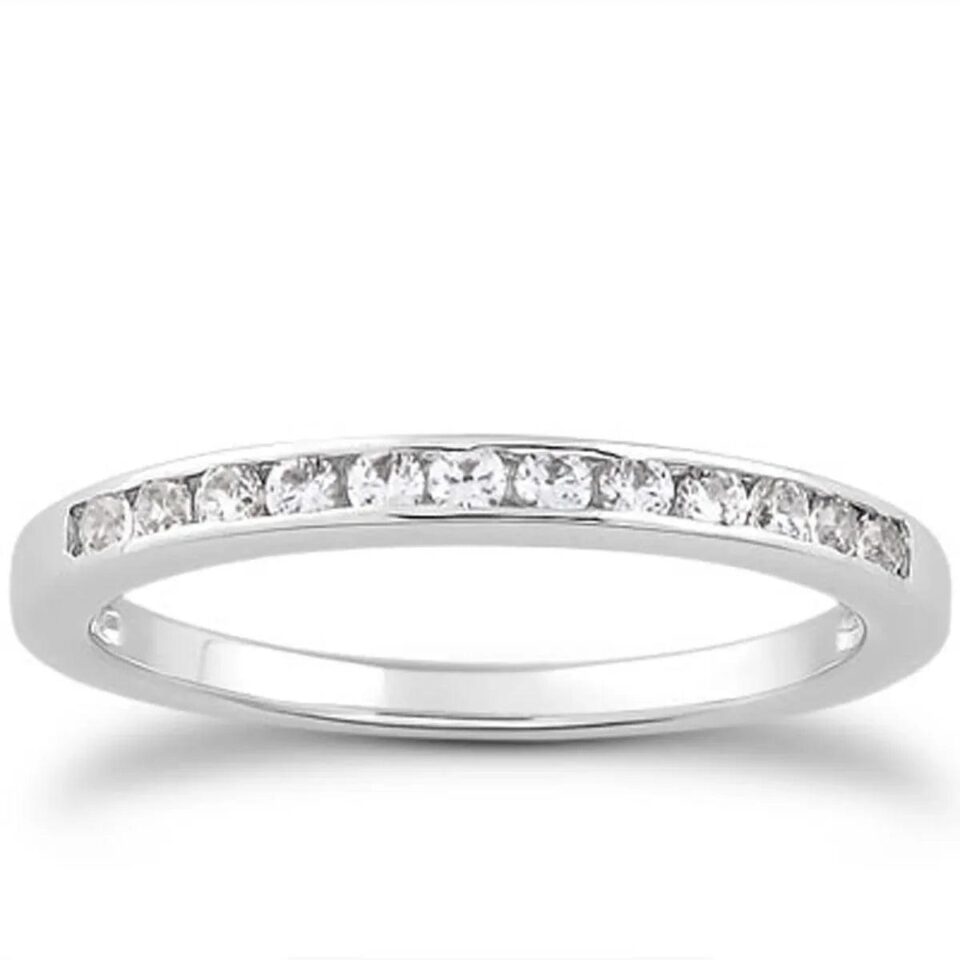
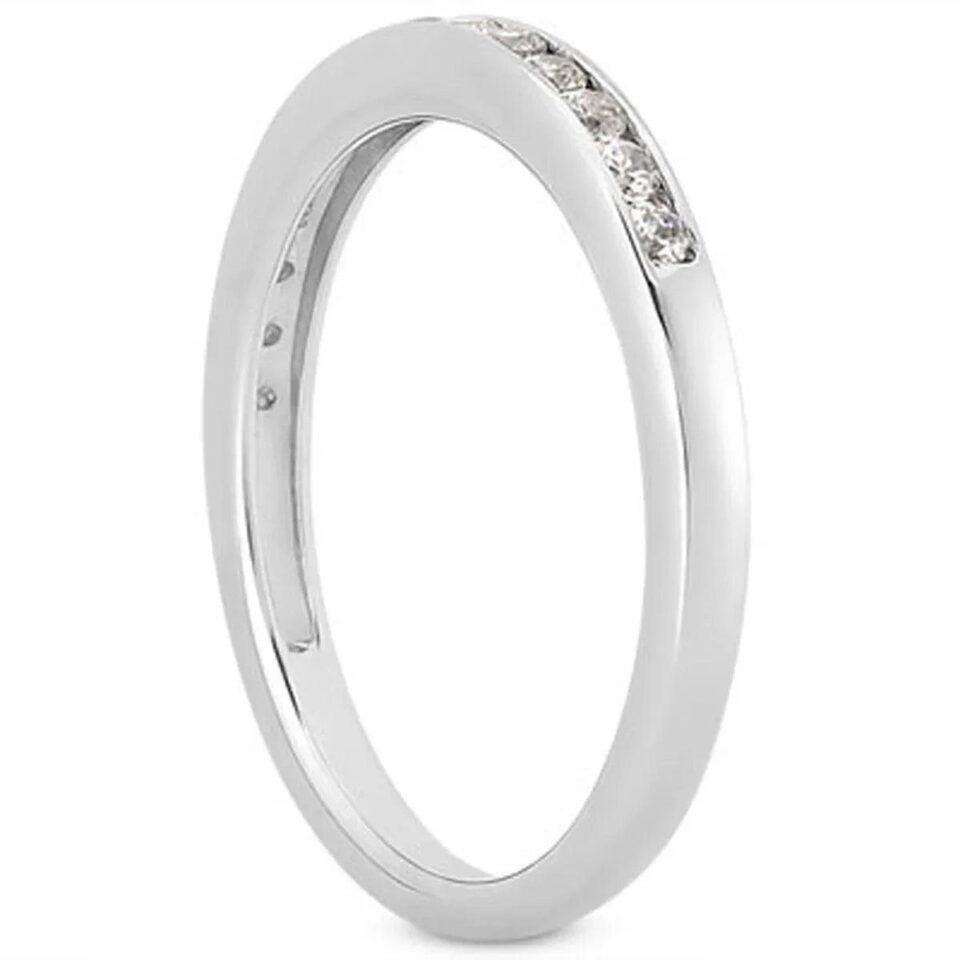
Channel Lab-Grown Diamond Band, 14K White Gold
14K White Gold · Lab-Grown Diamonds
$1,608
Lab-Grown Diamond Wave Motif Wedding Band, 1/5 ct tw, 14K White Gold to Pinterest (opens in a new window)
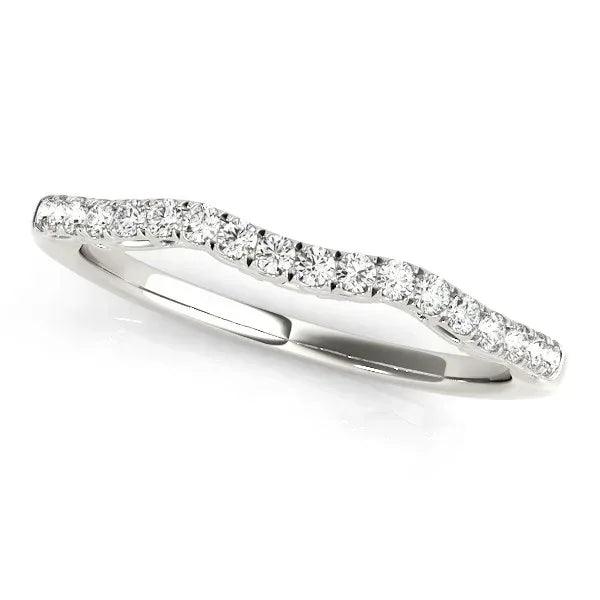
Lab-Grown Diamond Wave Motif Wedding Band, 1/5 ct tw, 14K White Gold
14K White Gold · 1/5 ct tw Lab-Grown Diamonds
$1,654
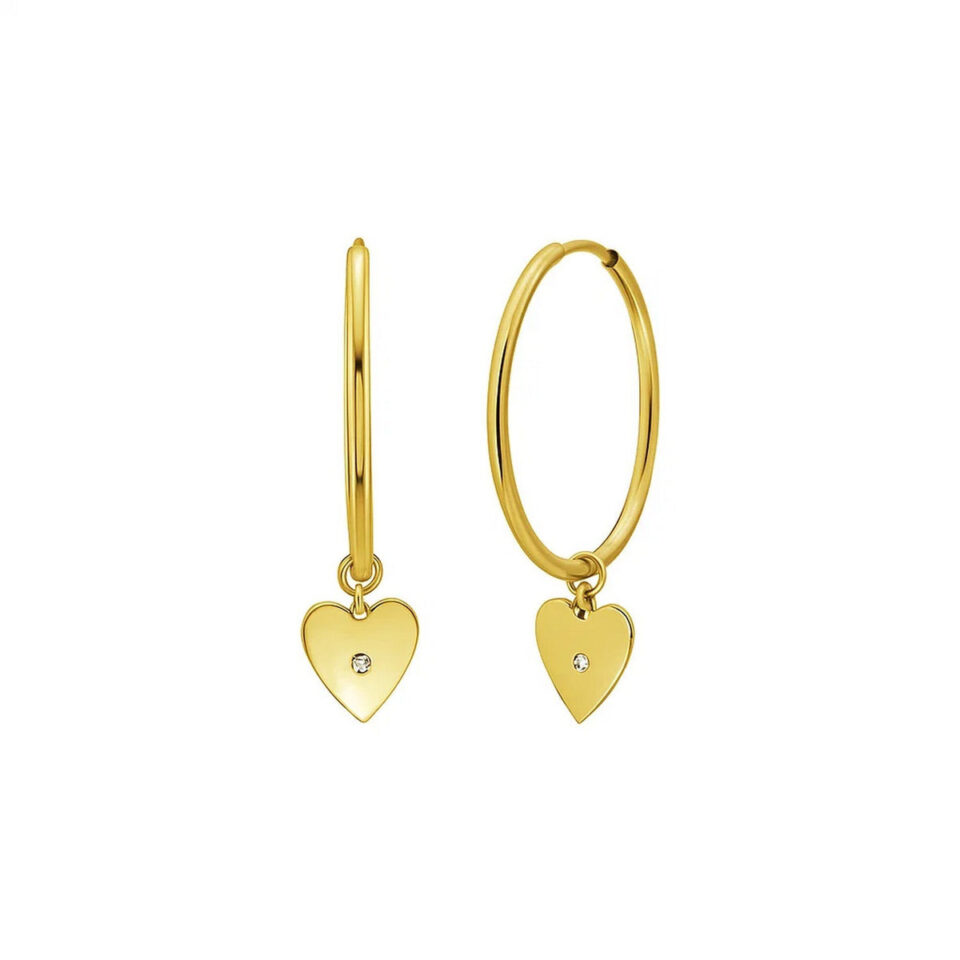
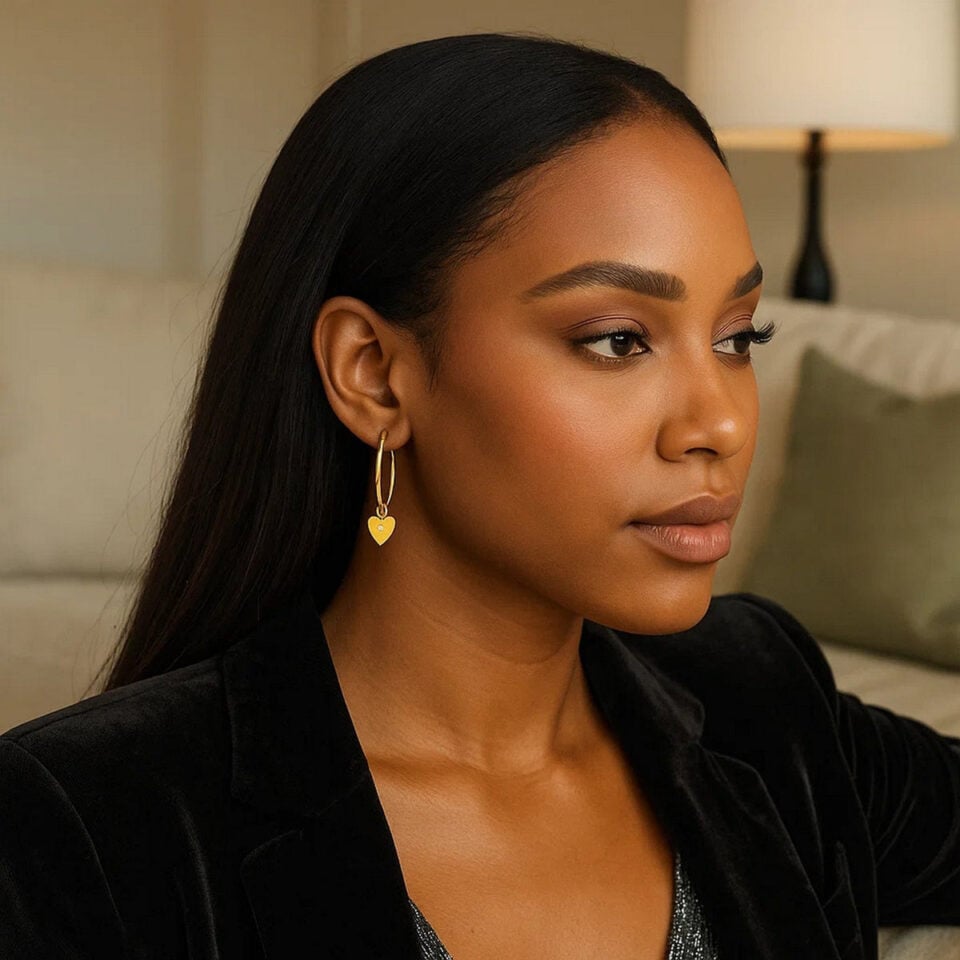
Heart Lab-Grown Diamond Hoop Earrings, 14K Yellow Gold
14K Yellow Gold · Lab-Grown Diamonds
$885
Lab-Grown Diamond Wedding Pave Setting Band, 1/8 ct tw, 14K White Gold to Pinterest (opens in a new window)
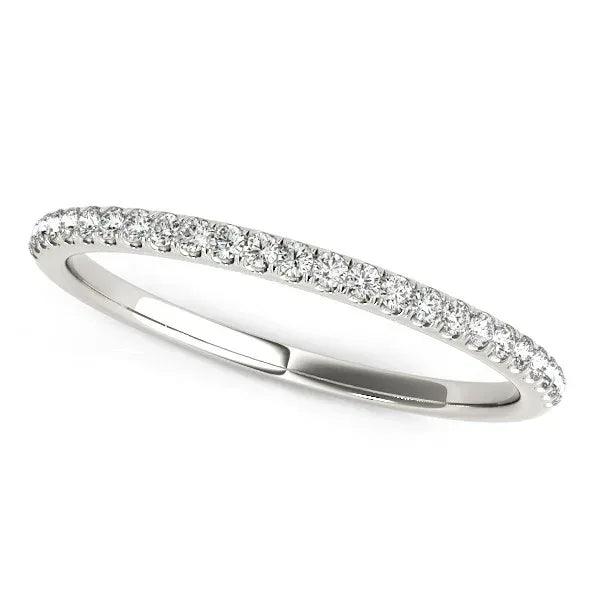
Lab-Grown Diamond Wedding Pave Setting Band, 1/8 ct tw, 14K White Gold
14K White Gold · 1/8 ct tw Lab-Grown Diamonds
$1,098
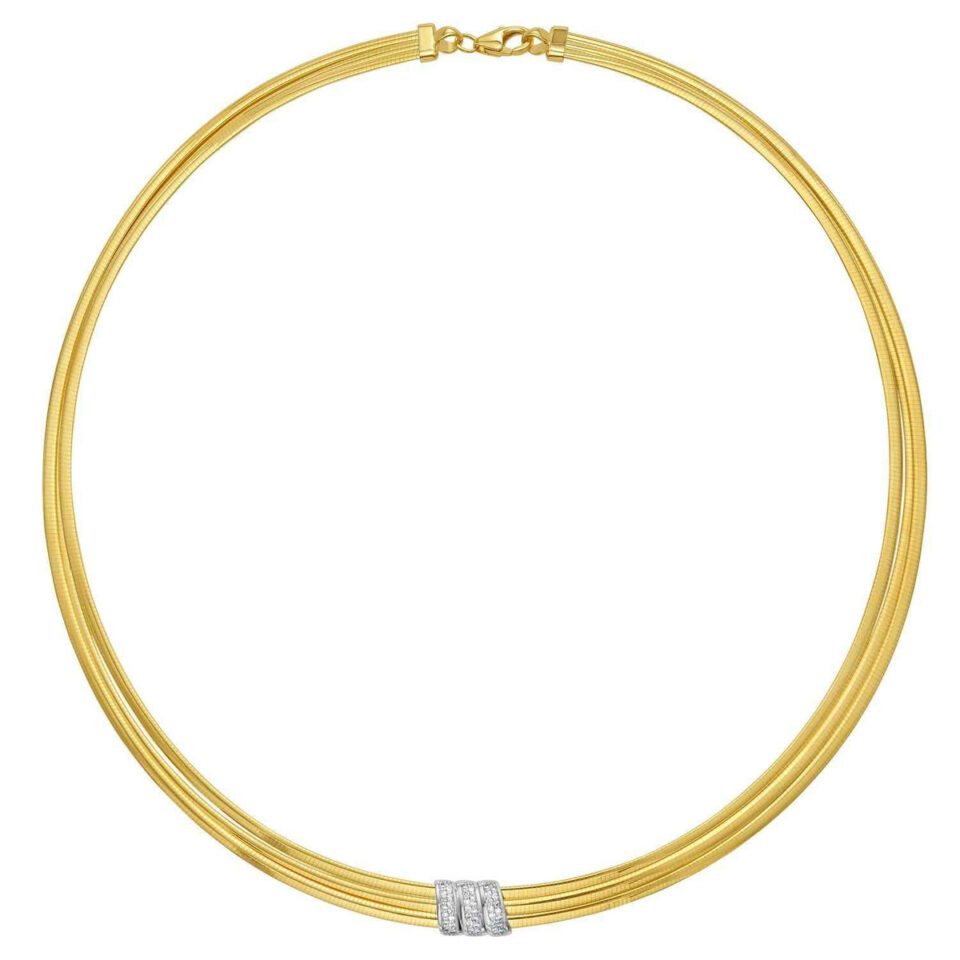
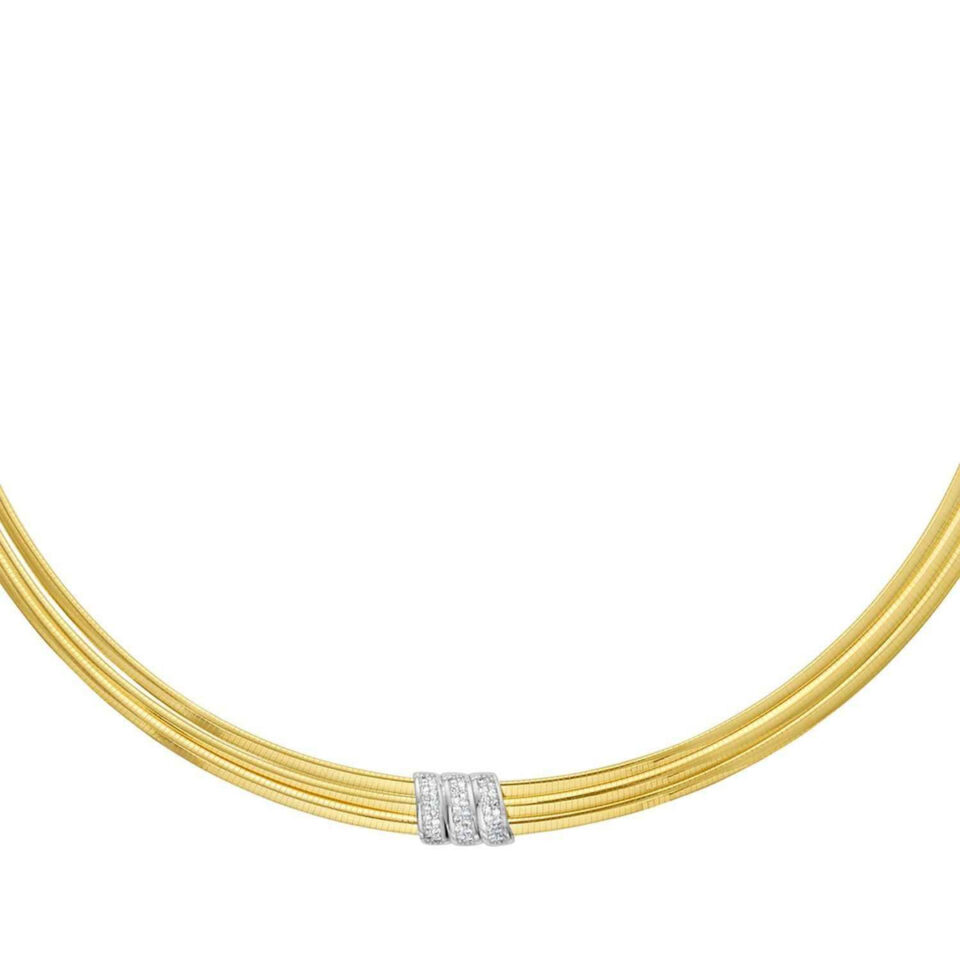
Lab-Grown Diamond Necklace, 14K Yellow Gold
14K Yellow Gold · Lab-Grown Diamonds · 22.6 g
$9,495
Lab-Grown Diamond Round Cut Eternity Ring, 3 ct tw, 14K White Gold to Pinterest (opens in a new window)
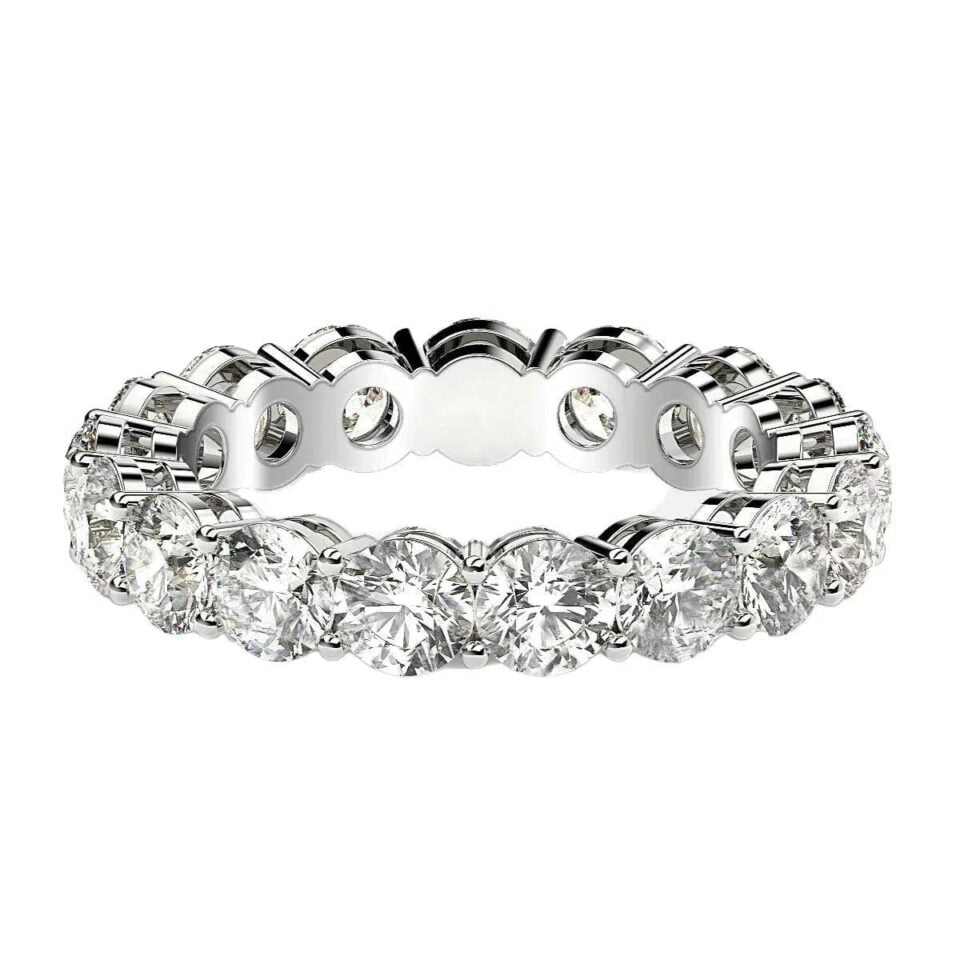
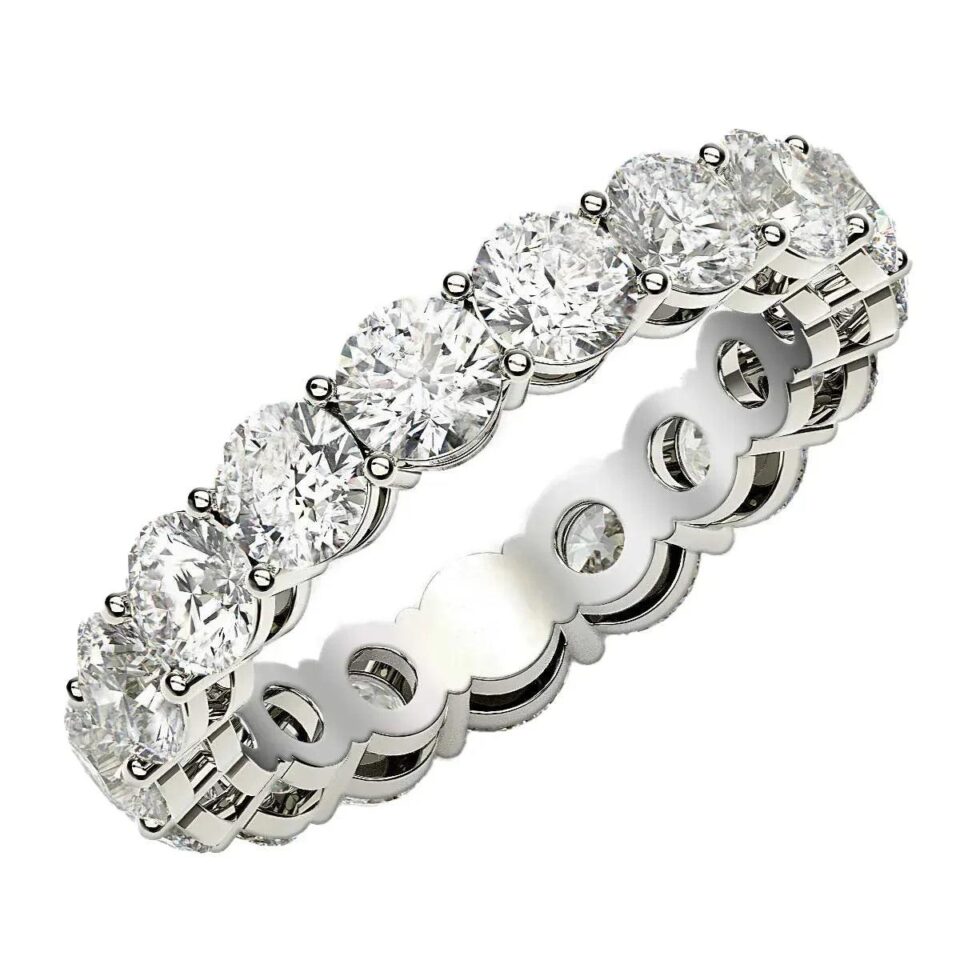
Lab-Grown Diamond Round Cut Eternity Ring, 3 ct tw, 14K White Gold
14K White Gold · 3 ct tw Lab-Grown Diamonds
$2,484
Lab-Grown Diamond Solitaire Princess Engagement Ring, 1 ct tw, 14K Yellow Gold to Pinterest (opens in a new window)
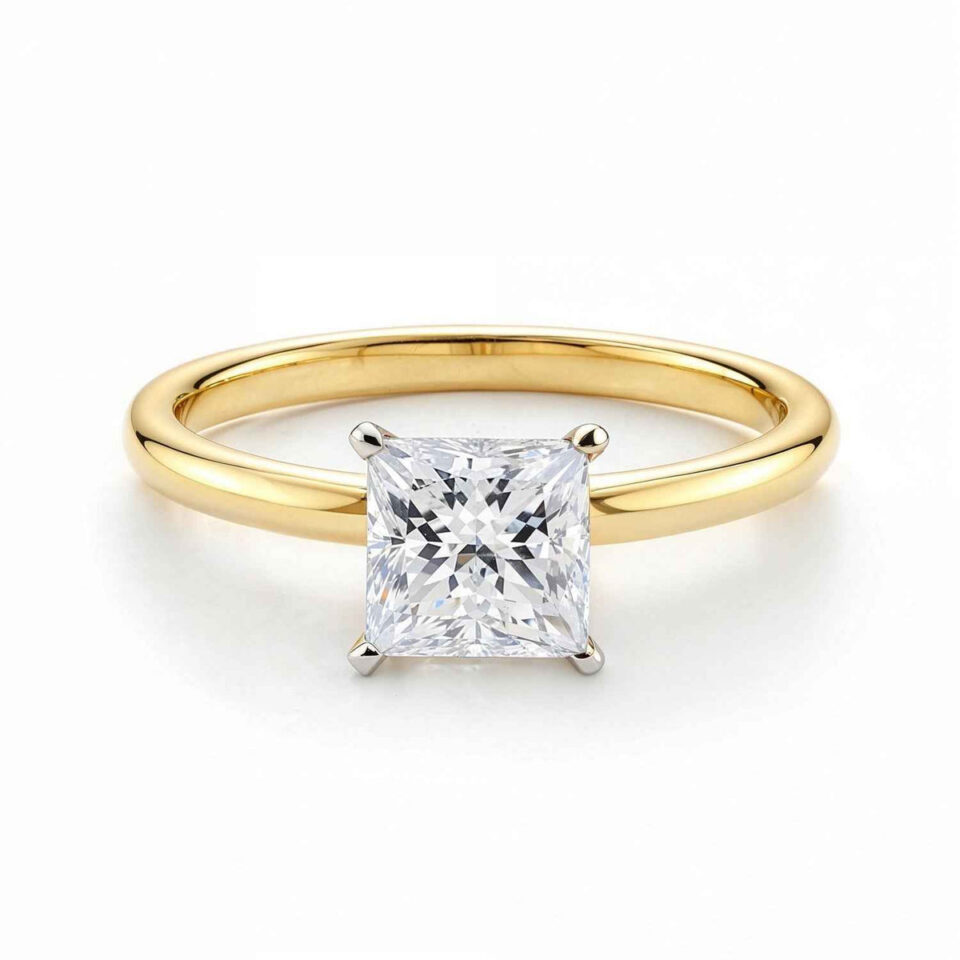
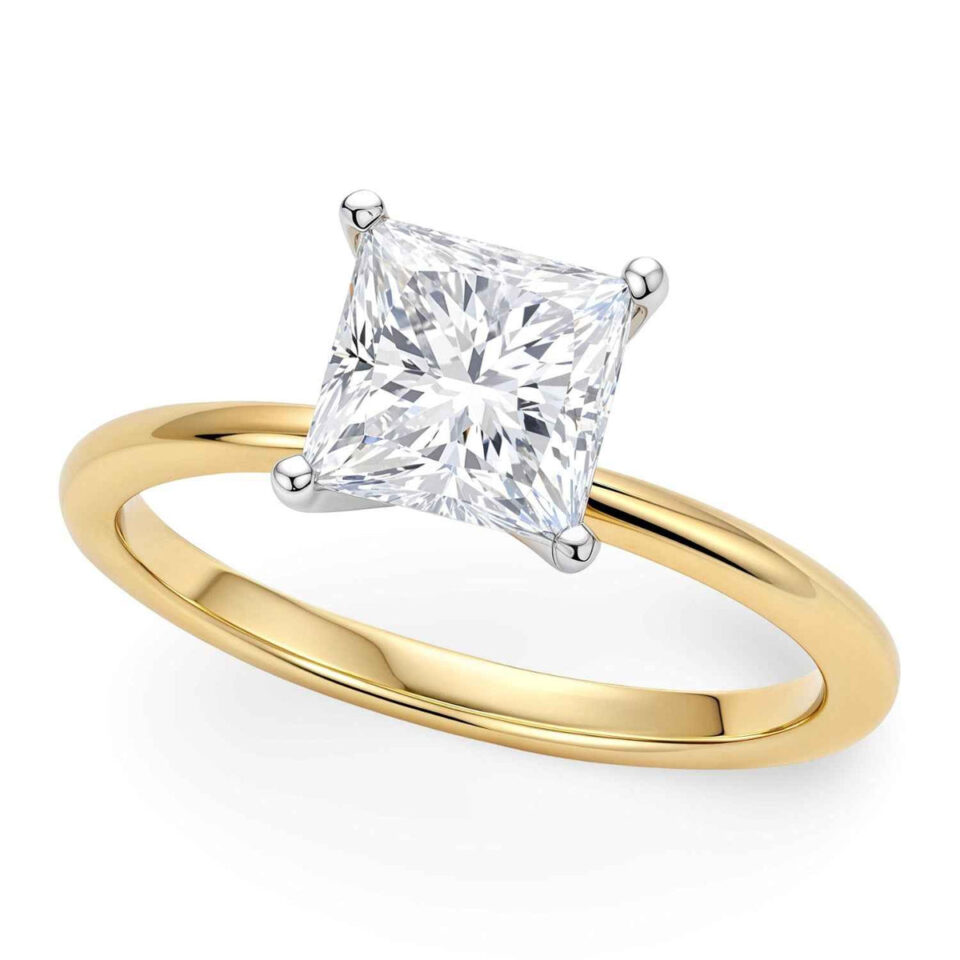
Lab-Grown Diamond Solitaire Princess Engagement Ring, 1 ct tw, 14K Yellow Gold
14K Yellow Gold · 1 ct tw Lab-Grown Diamonds
$2,484
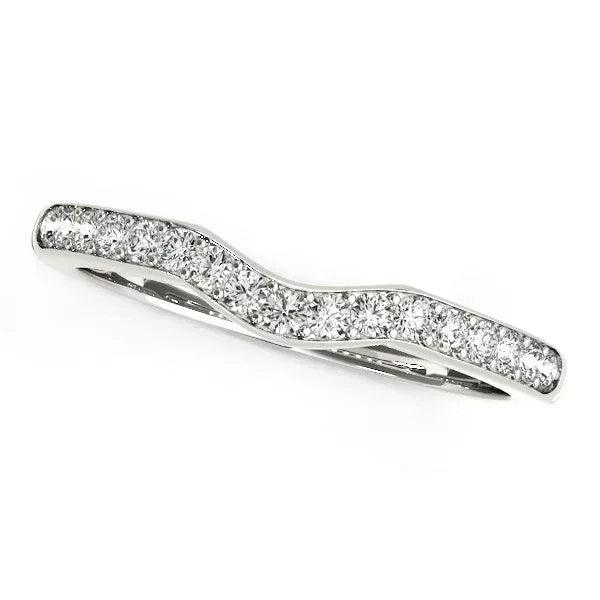
Lab-Grown Diamond Ring, 1/4 ct tw, 14K White Gold
14K White Gold
$1,654
Lab-Grown Diamond Round Cut Eternity Ring, 6 ct tw, 14K White Gold to Pinterest (opens in a new window)
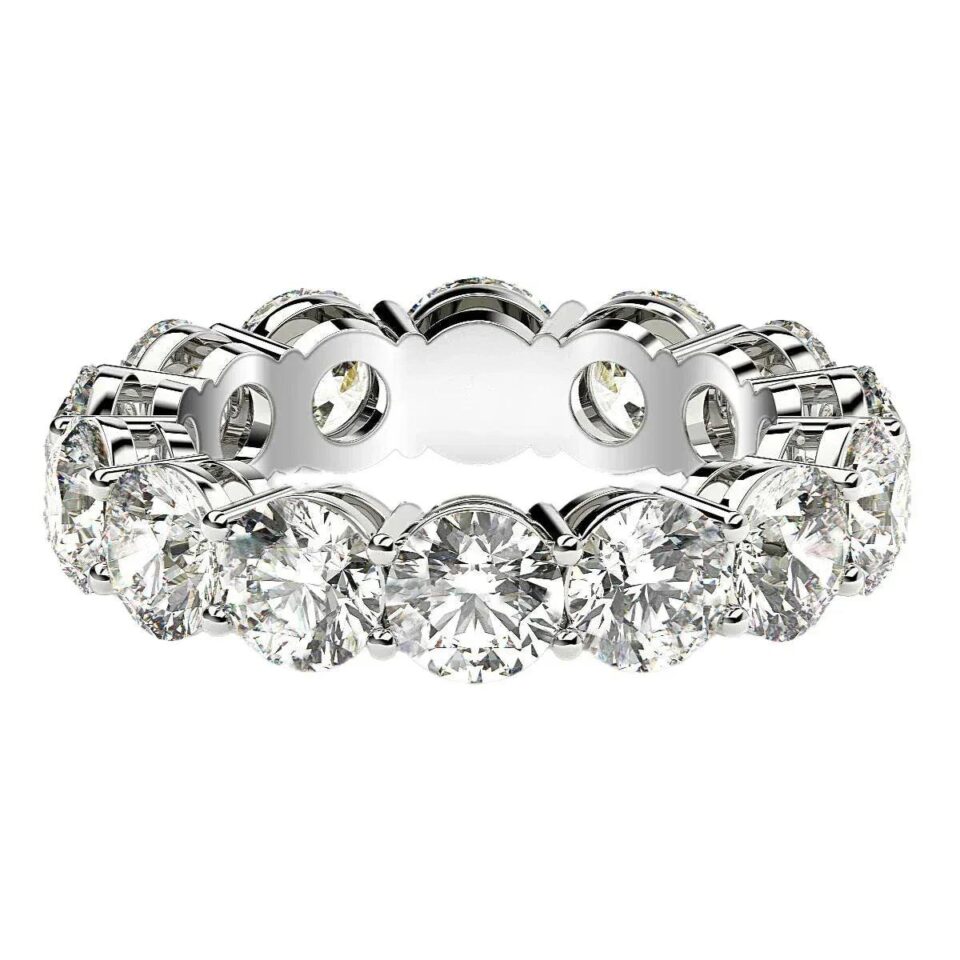
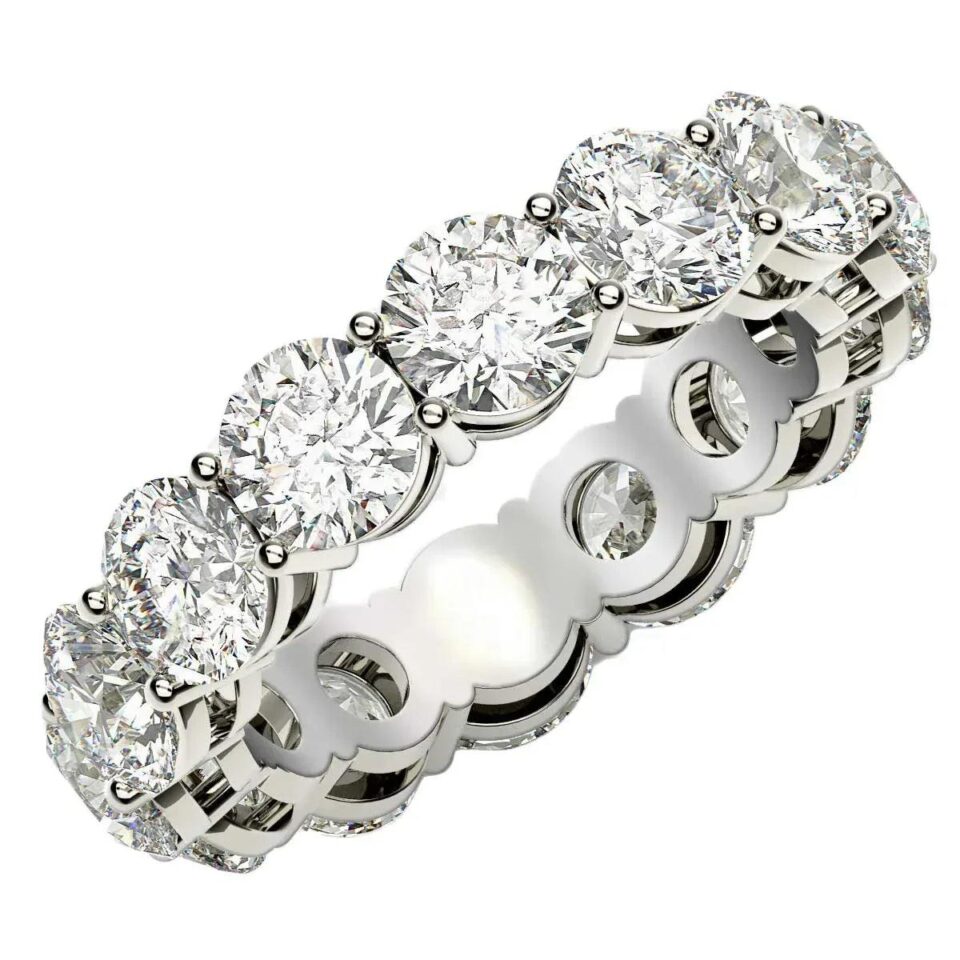
Lab-Grown Diamond Round Cut Eternity Ring, 6 ct tw, 14K White Gold
14K White Gold · 6 ct tw Lab-Grown Diamonds
$5,644
Lab-Grown Diamond Emerald Cut Eternity Ring, 7 ct tw, 14K White Gold to Pinterest (opens in a new window)
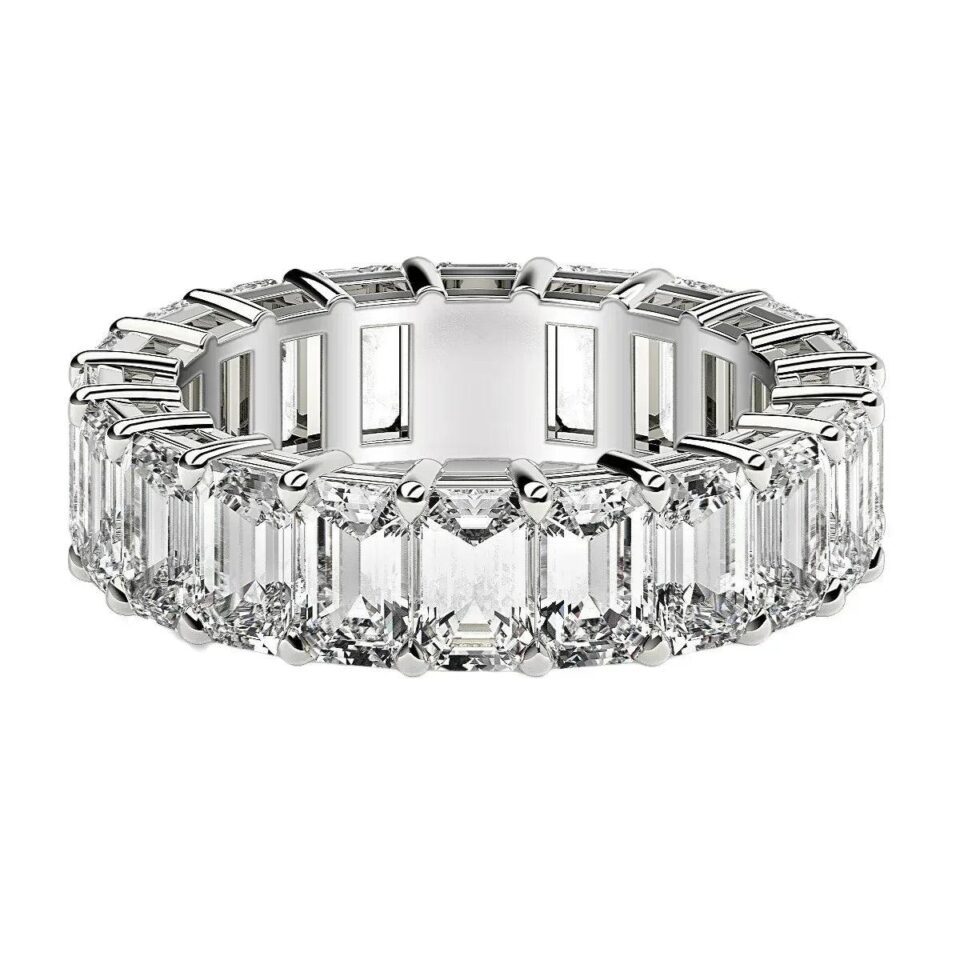
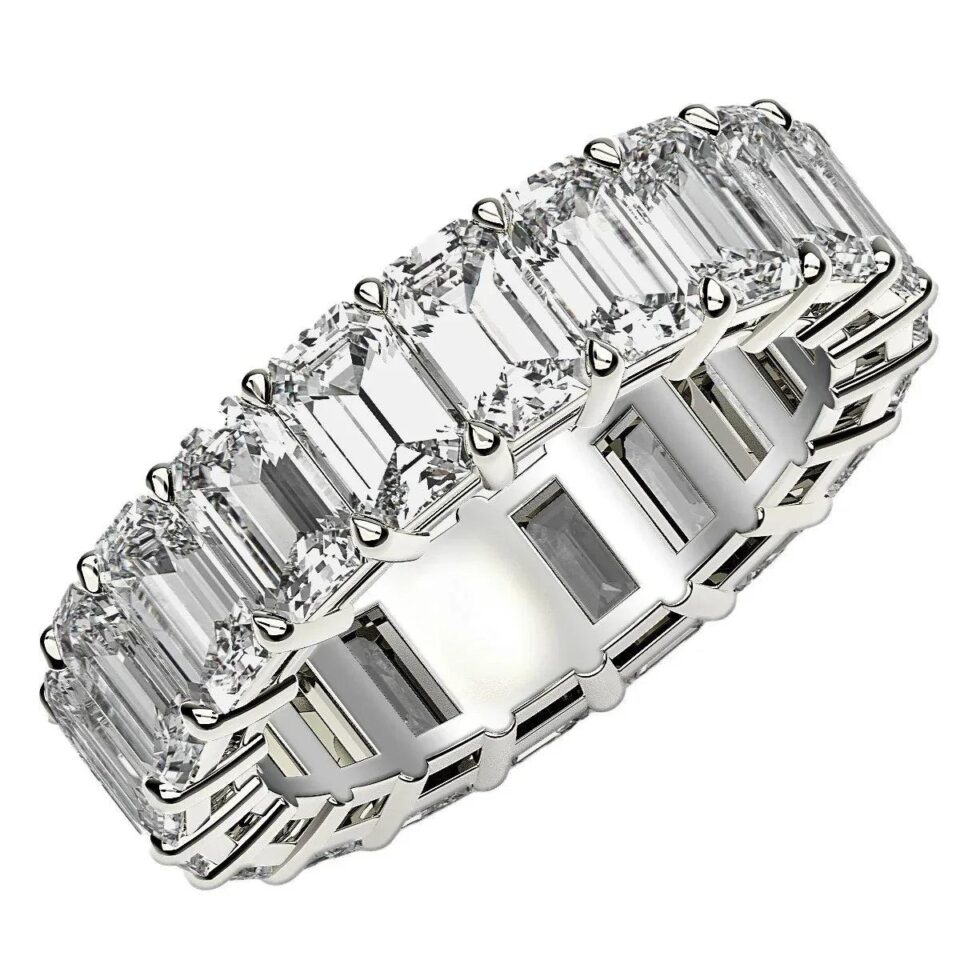
Lab-Grown Diamond Emerald Cut Eternity Ring, 7 ct tw, 14K White Gold
14K White Gold · 7 ct tw Lab-Grown Diamonds
$6,660
Lab-grown diamond jewelry, explained
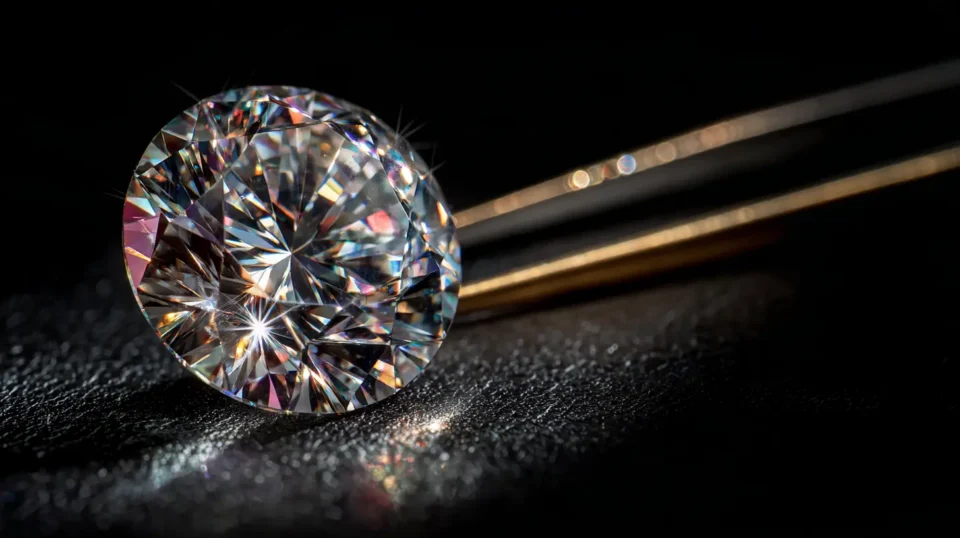
Every diamond Peelerie sells is lab-grown. A lab-grown diamond is real diamond, with the same carbon crystal, hardness and sparkle as a mined stone, grown in a laboratory over weeks rather than formed underground. The collection covers solitaire engagement rings, wedding and eternity bands, stud earrings, tennis bracelets and pendants, set mostly in 14K white and yellow gold.
How to choose a lab-grown diamond piece
Start with the shape: round gives the most sparkle, while oval, emerald, cushion, princess, pear and radiant each have their own character. Then the size, stated as carat weight (ct) for a single stone or total carat weight (ct tw) for several. Color and clarity grades appear on the product page where we have them; near-colorless (G to H) and very slightly included (VS) stones look clean to the eye. Our lab-grown diamond engagement rings ship with an IGI grading report.
Are lab-grown diamonds real diamonds?
Yes. They are chemically, physically and optically diamond; only their origin differs from mined stones.
Do lab-grown diamonds last?
Yes. They are as hard as mined diamonds, 10 on the Mohs scale, and will not cloud or fade.
Do your diamonds come with a certificate?
Our engagement rings ship with an IGI grading report. For other pieces, the product page lists what applies; email us if you would like to confirm before ordering.
From the Journal
- Are Lab-Grown Diamonds Durable? Hardness, Chips and ScratchesAs hard as mined diamond, and no tougher: what really chips a lab-grown diamond, and how to make one last.
- What Is a Diamond Birthday? Meaning, Age and When Is YoursTwo definitions, one calculator, and the gifts that suit a once-in-a-lifetime birthday.