Solid 14K white gold across rings, necklaces, earrings and bracelets. Karat and gram weight stated on every piece.
White Gold
Lab-Grown Diamond Arrowhead Open Ring, 1/5 ct tw, 14K White Gold to Pinterest (opens in a new window)
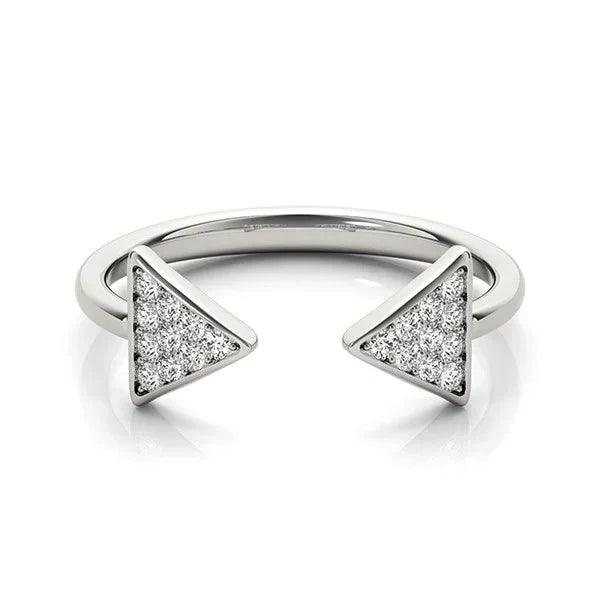
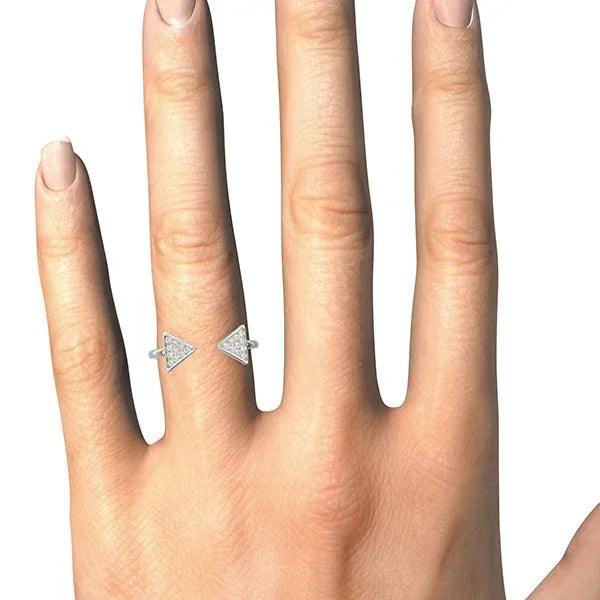
Lab-Grown Diamond Arrowhead Open Ring, 1/5 ct tw, 14K White Gold
14K White Gold · 1/5 ct tw Lab-Grown Diamonds
$1,654
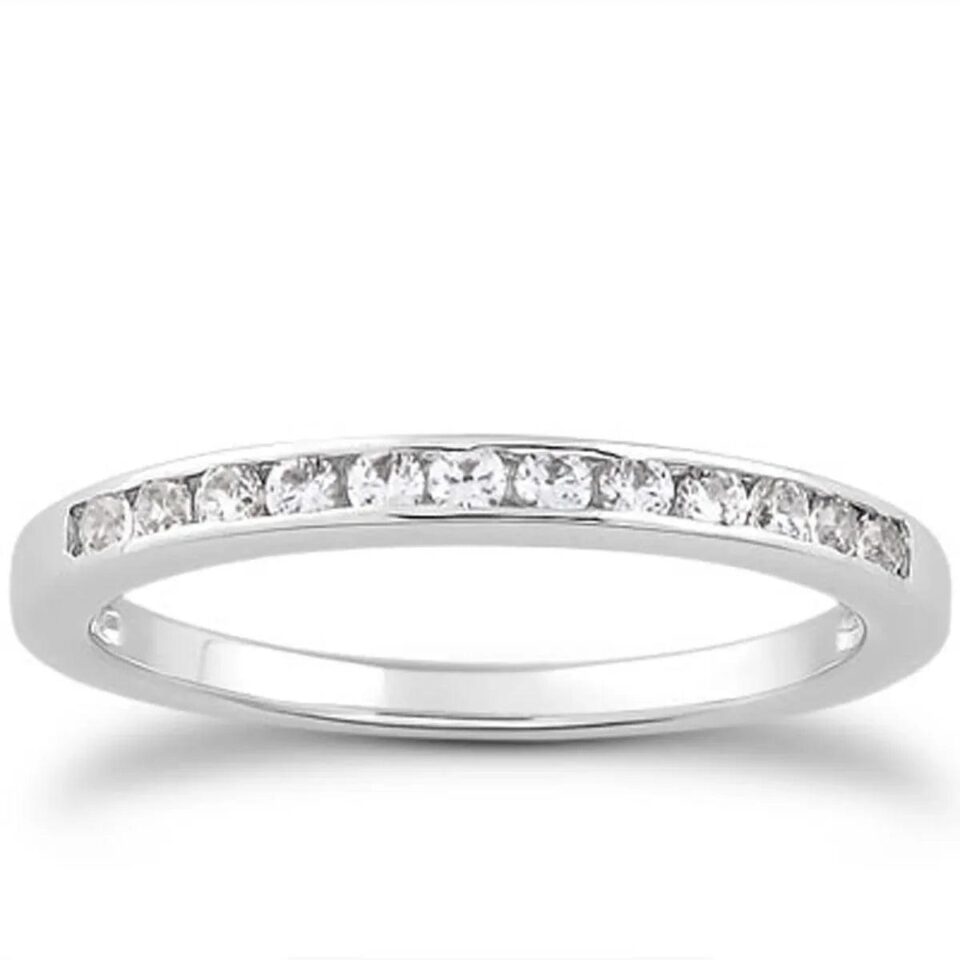
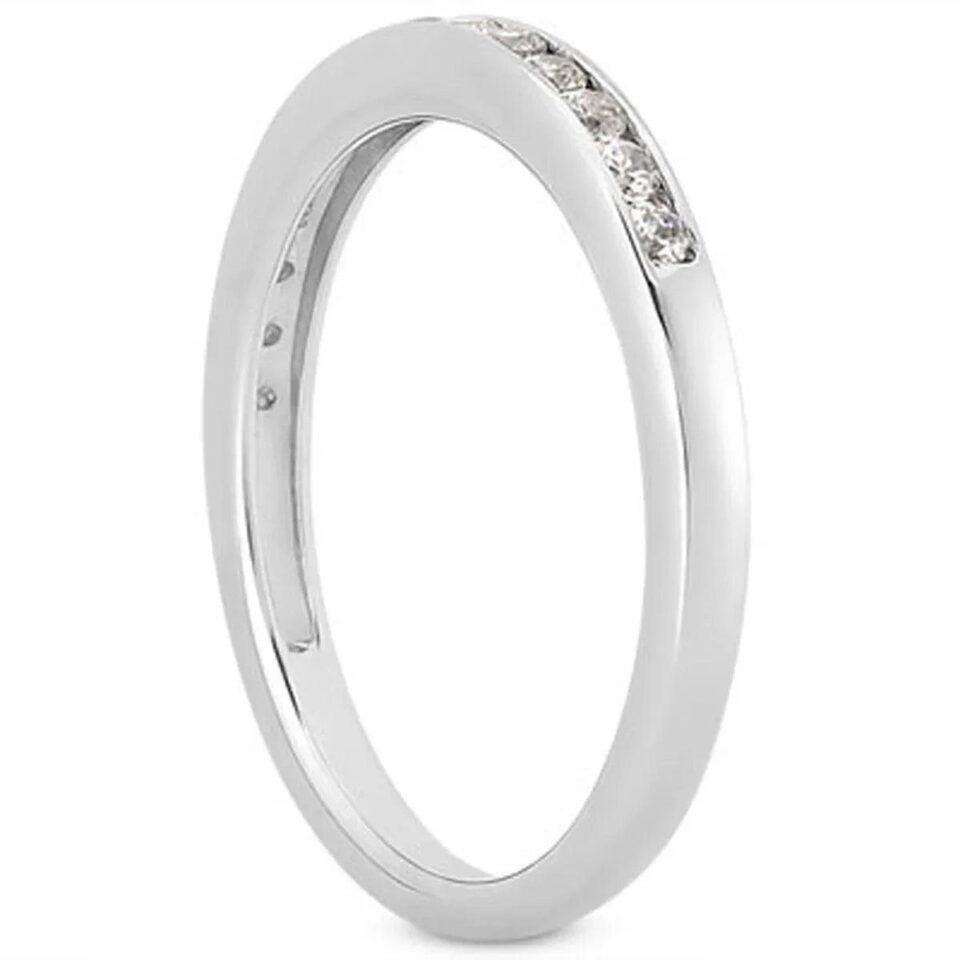
Channel Lab-Grown Diamond Band, 14K White Gold
14K White Gold · Lab-Grown Diamonds
$1,608
Lab-Grown Diamond Wave Motif Wedding Band, 1/5 ct tw, 14K White Gold to Pinterest (opens in a new window)
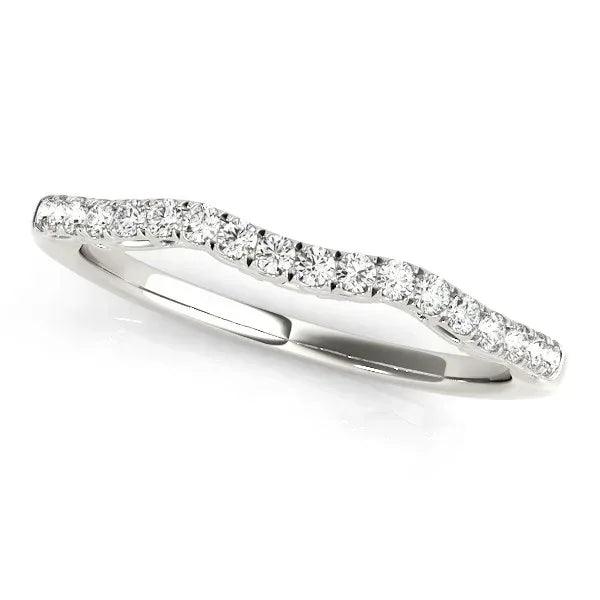
Lab-Grown Diamond Wave Motif Wedding Band, 1/5 ct tw, 14K White Gold
14K White Gold · 1/5 ct tw Lab-Grown Diamonds
$1,654
Lab-Grown Diamond Wedding Pave Setting Band, 1/8 ct tw, 14K White Gold to Pinterest (opens in a new window)
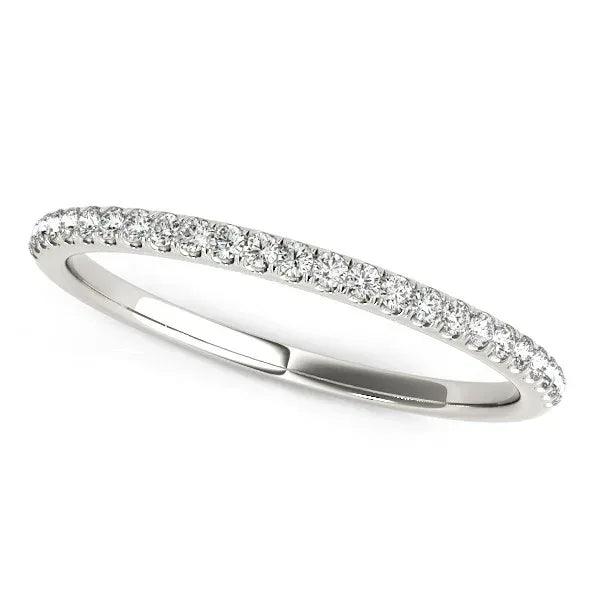
Lab-Grown Diamond Wedding Pave Setting Band, 1/8 ct tw, 14K White Gold
14K White Gold · 1/8 ct tw Lab-Grown Diamonds
$1,098
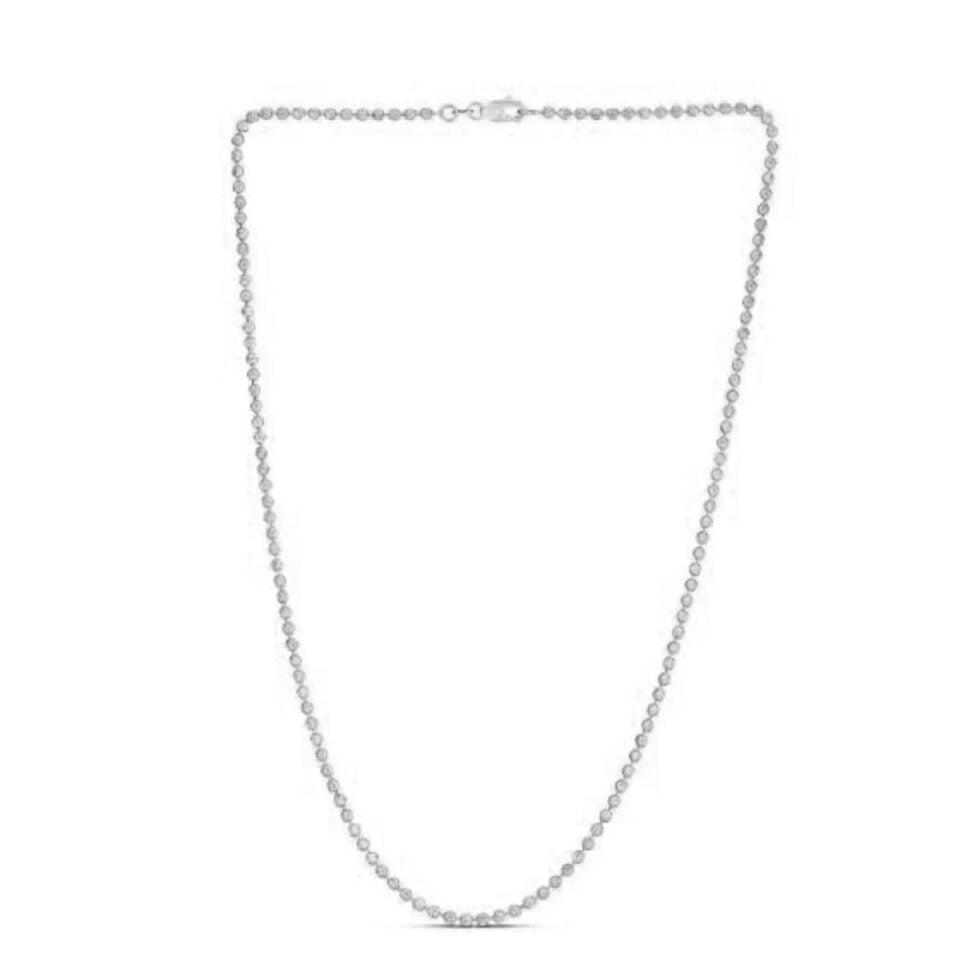

Moon Bead Chain, 14K White Gold
14K White Gold · 2.5 mm
$3,090
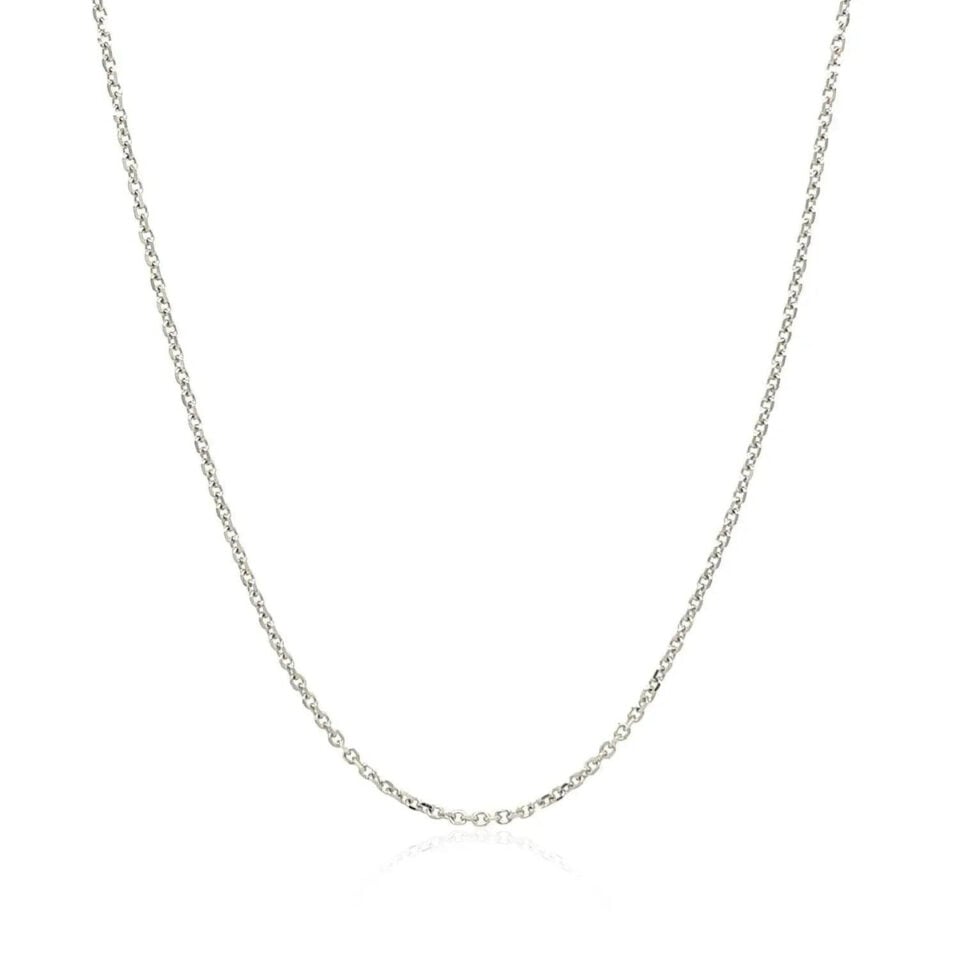
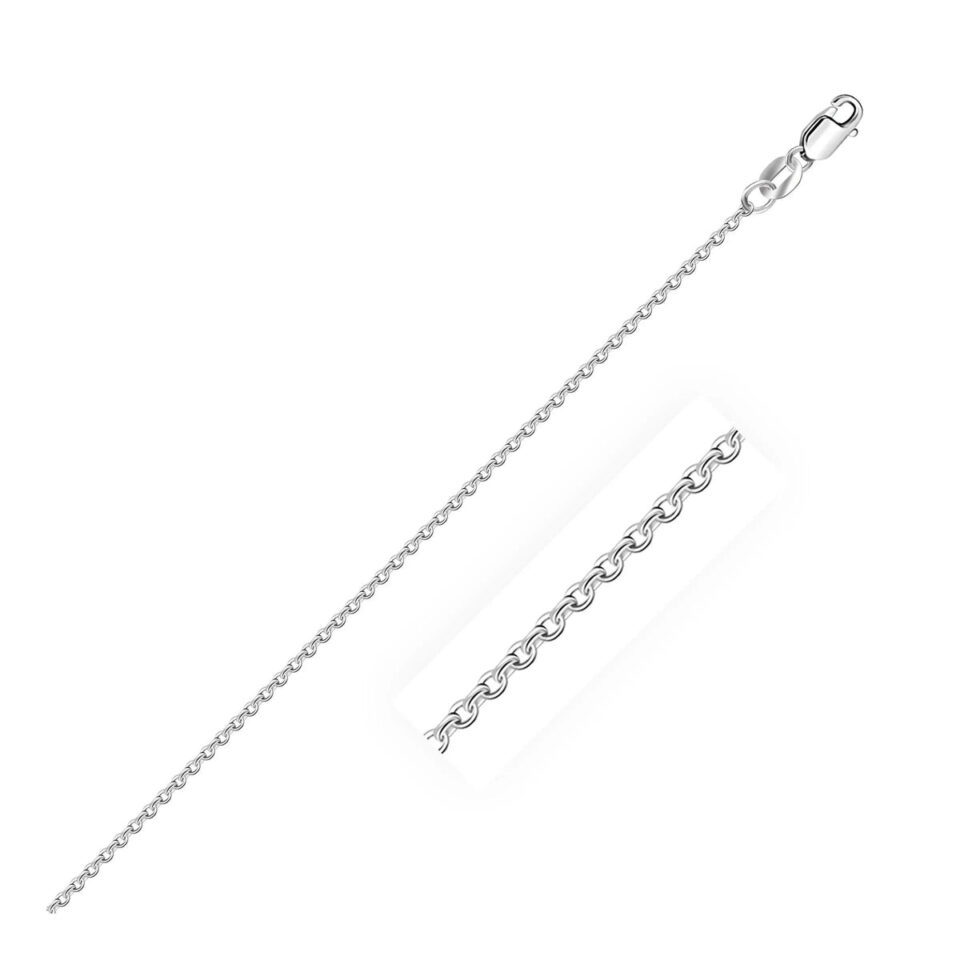
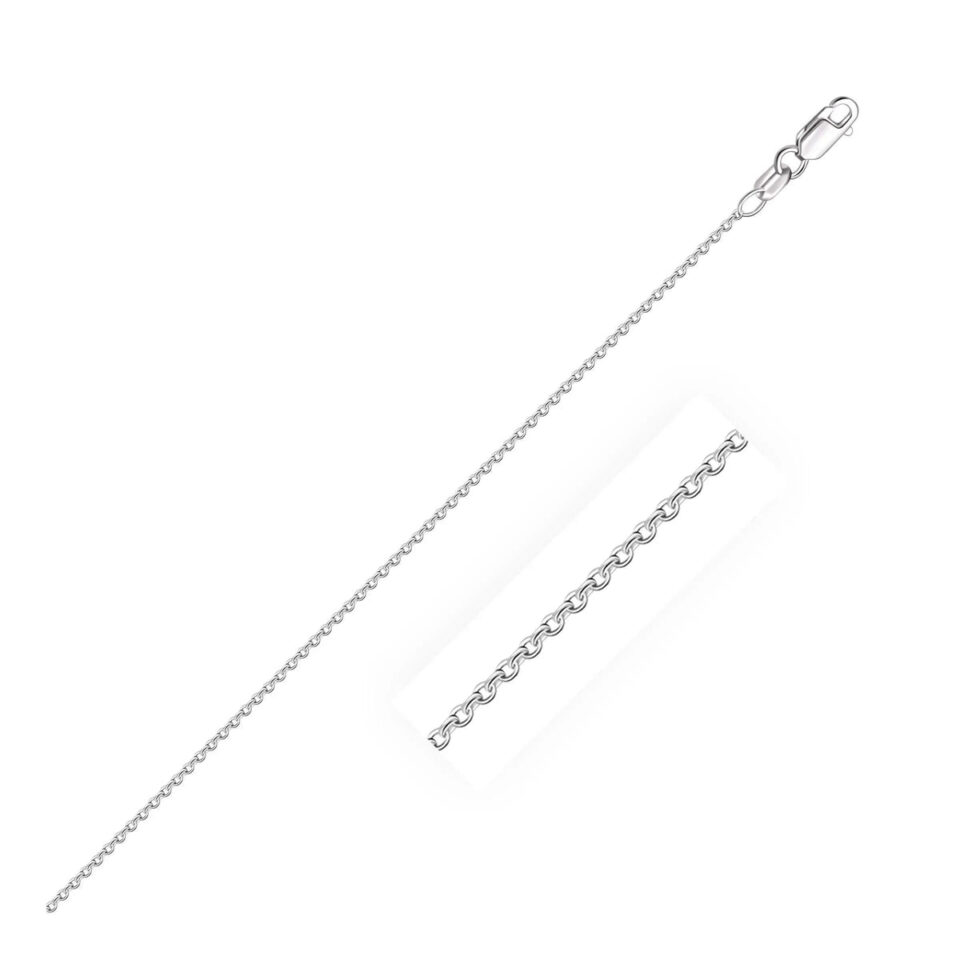
Cable Chain, 1.1 mm, 10K White Gold
10K White Gold · 1.1 mm
$387
Lab-Grown Diamond Round Cut Eternity Ring, 3 ct tw, 14K White Gold to Pinterest (opens in a new window)
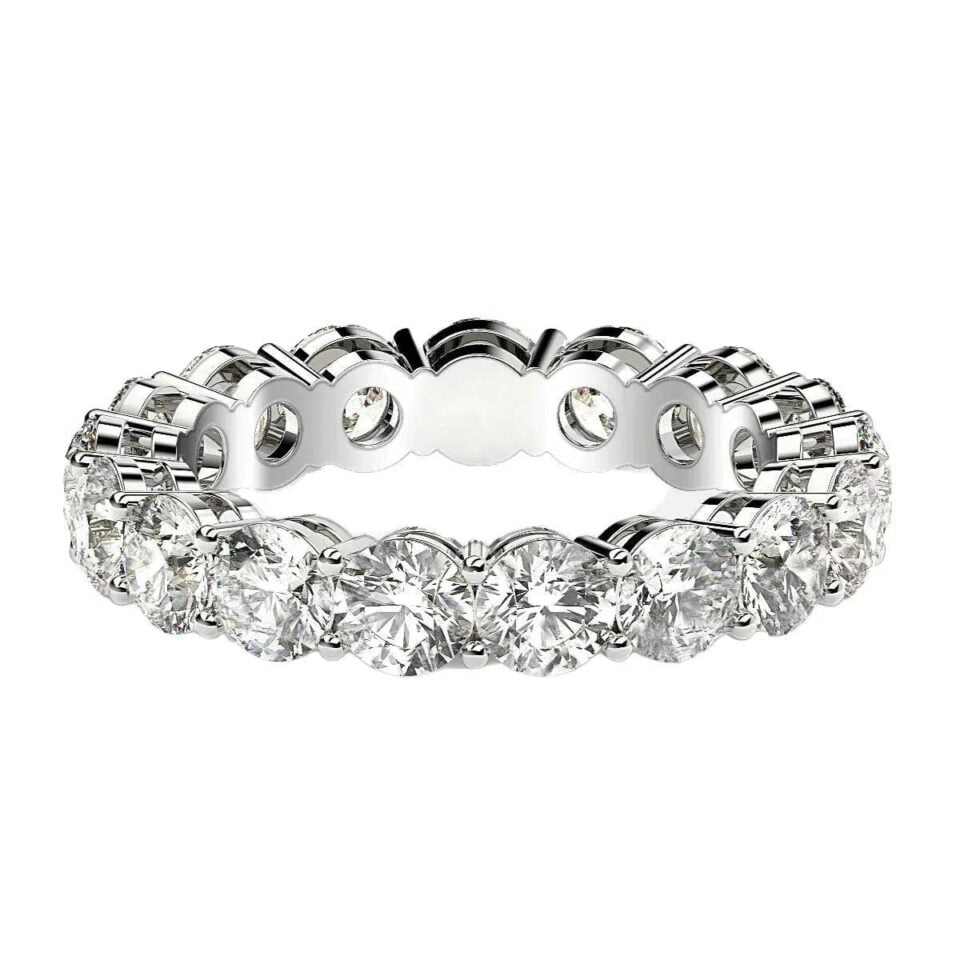
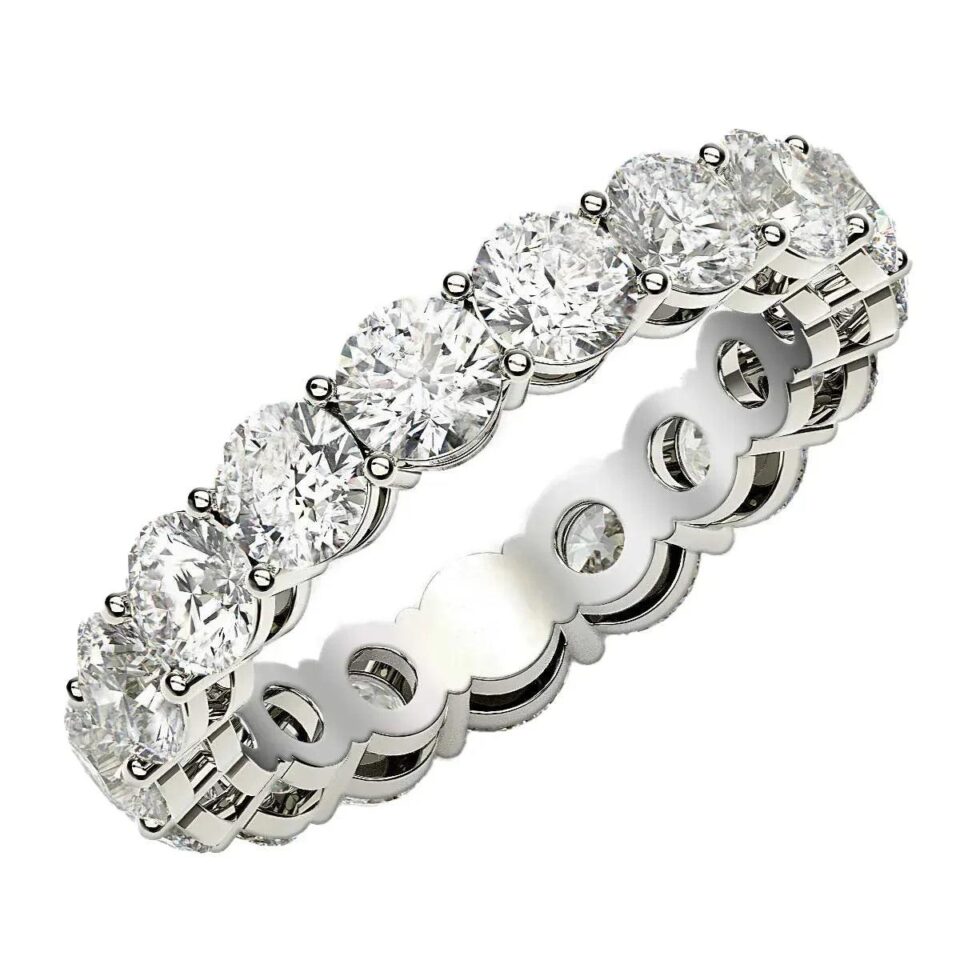
Lab-Grown Diamond Round Cut Eternity Ring, 3 ct tw, 14K White Gold
14K White Gold · 3 ct tw Lab-Grown Diamonds
$2,484
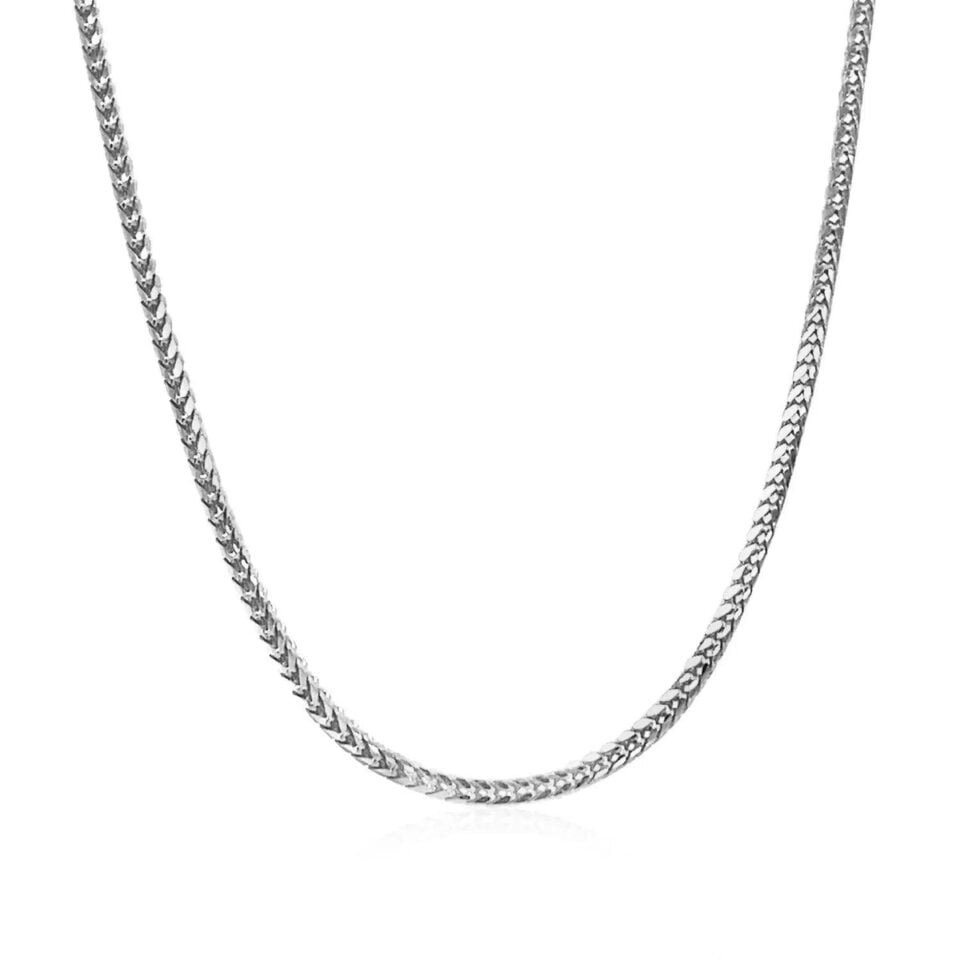
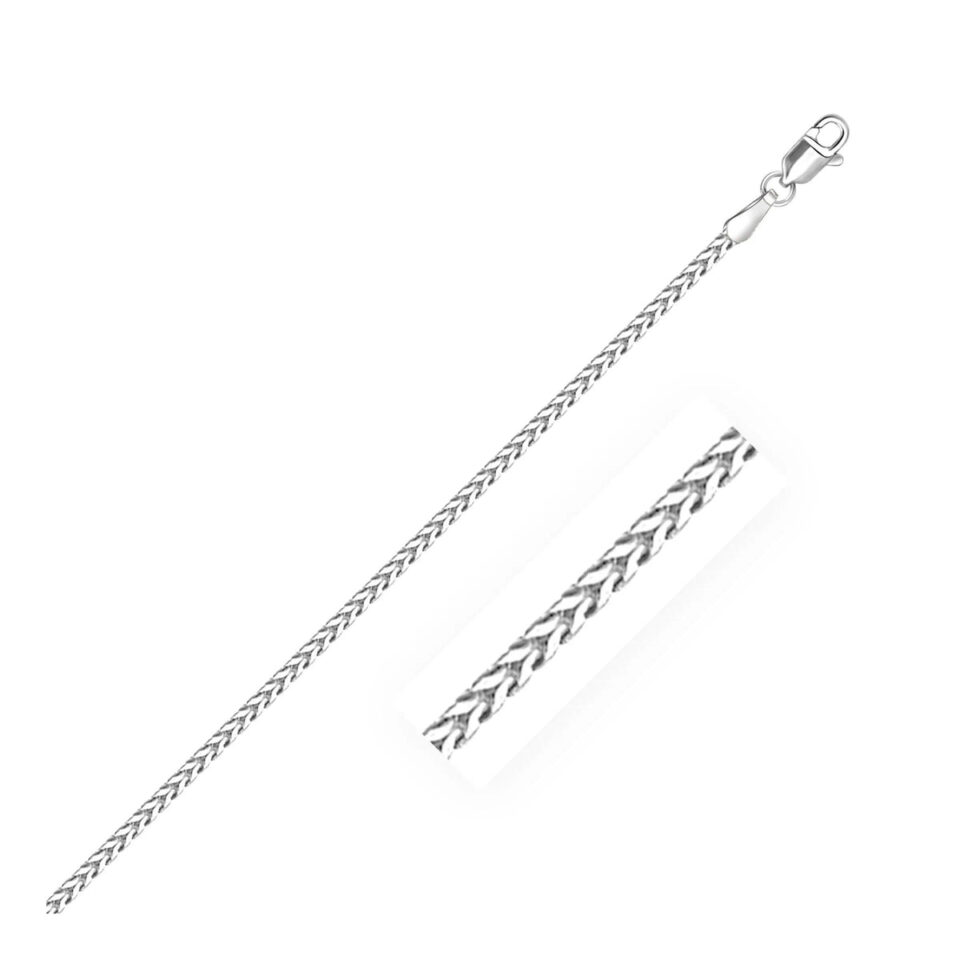
Franco Chain, 1.6 mm, 14K White Gold
14K White Gold · 1.6 mm
$2,550
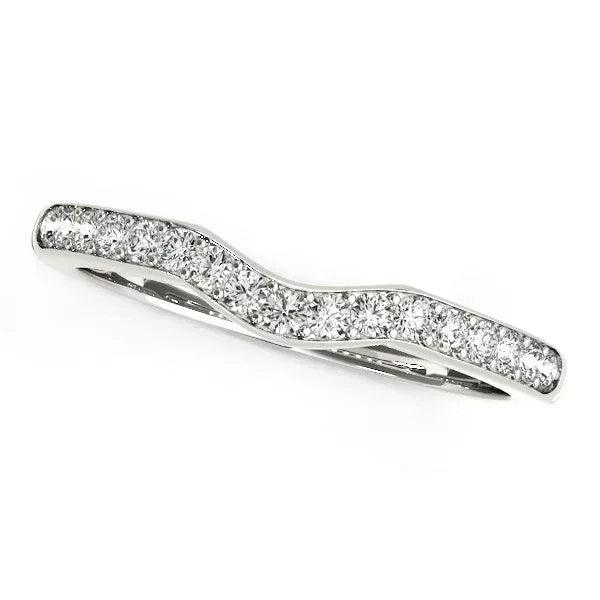
Lab-Grown Diamond Ring, 1/4 ct tw, 14K White Gold
14K White Gold
$1,654
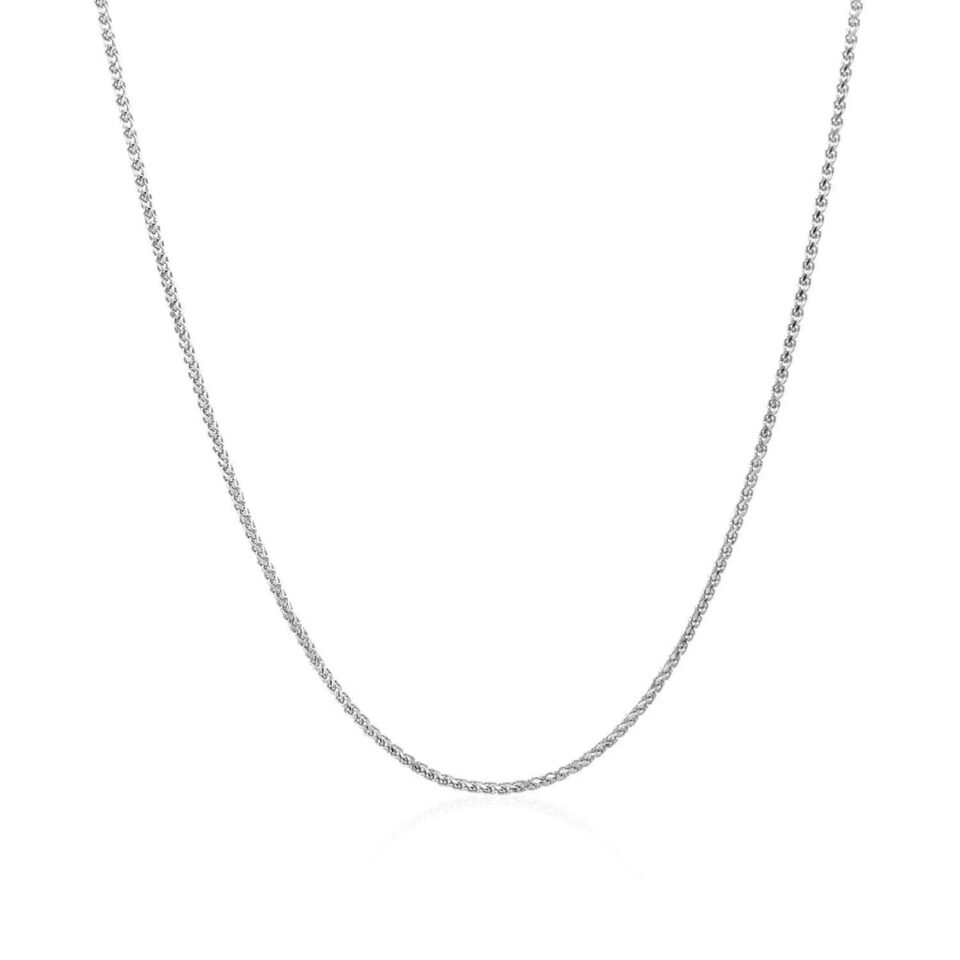
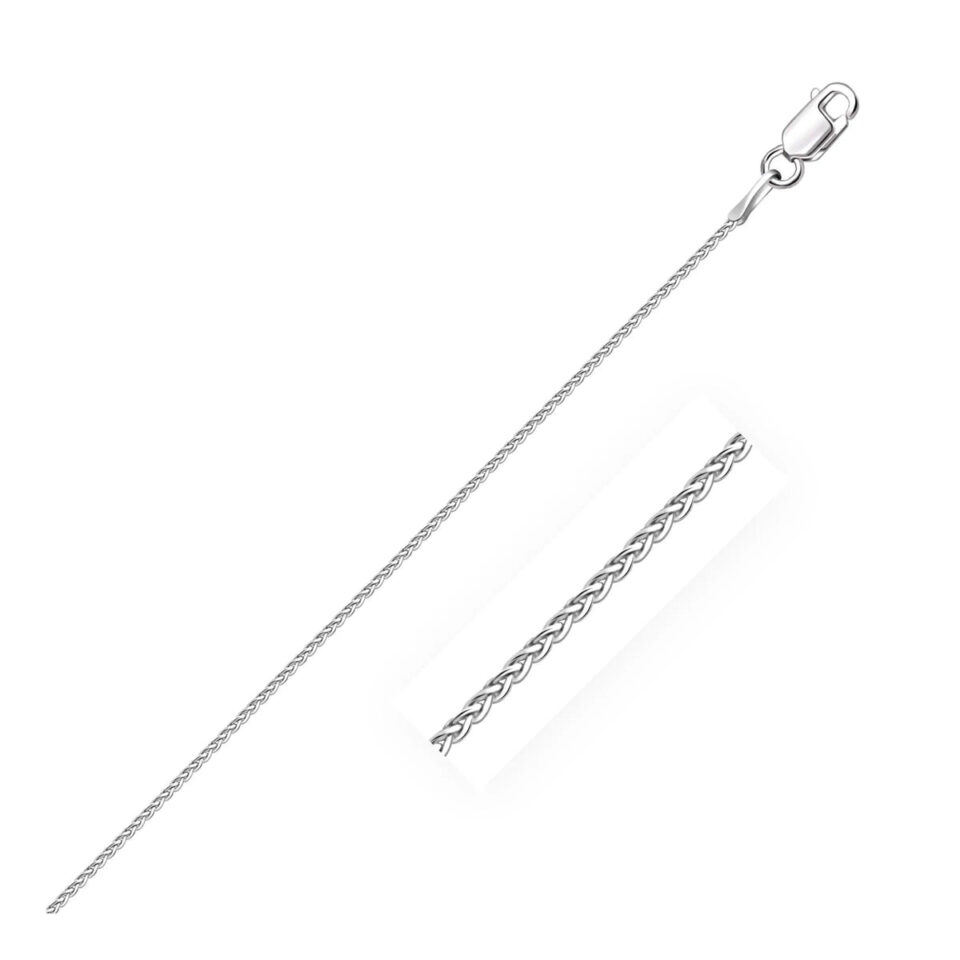
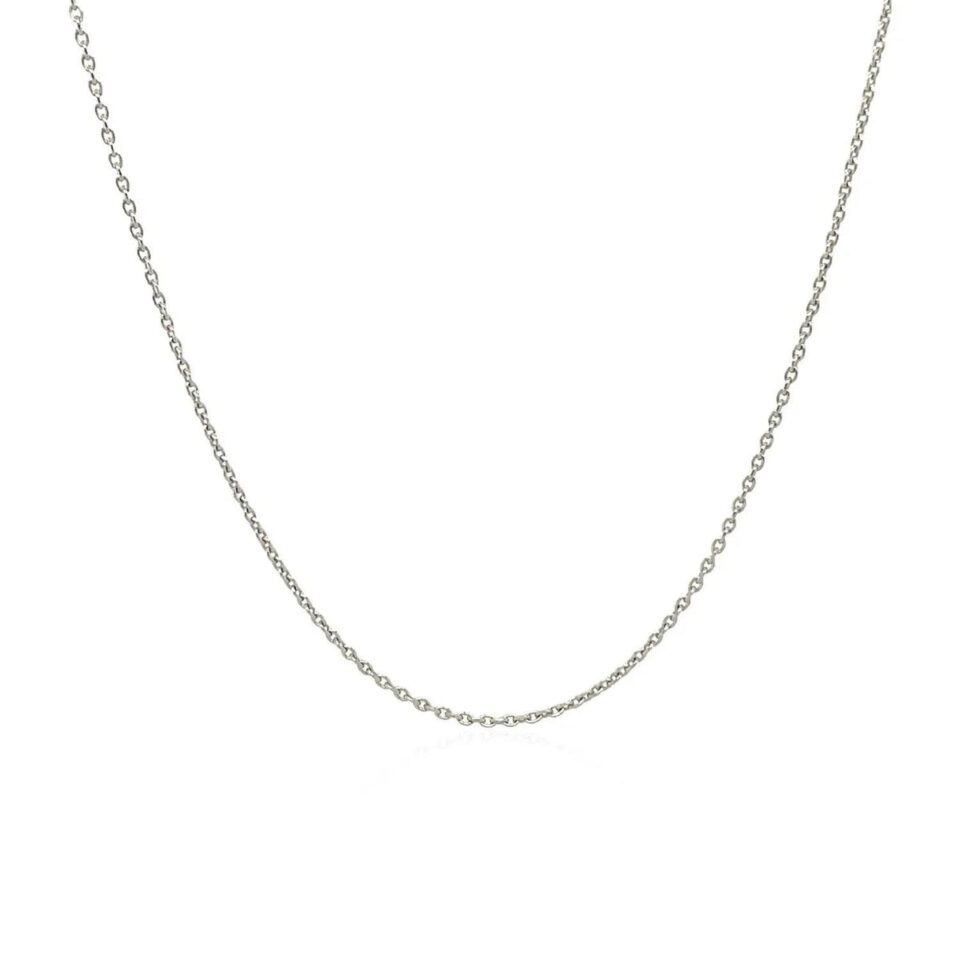
Diamond-Cut Round Wheat Chain, 1 mm, 14K White Gold
14K White Gold · 1 mm
$702
White gold, explained
White gold is real gold alloyed with white metals, then usually plated with rhodium for its bright, cool finish. 14K white gold is 58.3% pure gold, the same gold content as 14K yellow gold; only the alloy and the colour differ. Most of our white gold pieces are 14K, with some in 10K and 18K, and many are set with lab-grown diamonds, because white gold makes a diamond look whiter.
How to choose and care for white gold
White gold is harder than silver and will not tarnish, which is why it is the usual choice for engagement rings, wedding bands, diamond studs and tennis bracelets. Over years of wear the rhodium finish can soften and let a faint warm tone show through, most often on rings; a jeweler can replate it to restore the bright white. If you prefer a metal that never needs replating, choose 14K yellow gold.
Is white gold real gold?
Yes. 14K white gold contains 58.3% pure gold, the same as 14K yellow gold.
Does white gold tarnish?
No. Its rhodium finish can wear over time and be replated, but the gold underneath does not tarnish.
White gold or sterling silver?
White gold is harder, holds stones more securely and does not tarnish; sterling silver is lighter on the budget but tarnishes and scratches more easily.
From the Journal
- White Gold vs Sterling Silver: Price, Wear and TarnishThey look alike in the case. How white gold and sterling silver differ in price, wear, tarnish and upkeep.
- Are Lab-Grown Diamonds Durable? Hardness, Chips and ScratchesAs hard as mined diamond, and no tougher: what really chips a lab-grown diamond, and how to make one last.