Material Origins
Engineered,
not extracted.
Engineered, not extracted. Every diamond Peelerie sells is grown in a laboratory, and this is what that means.
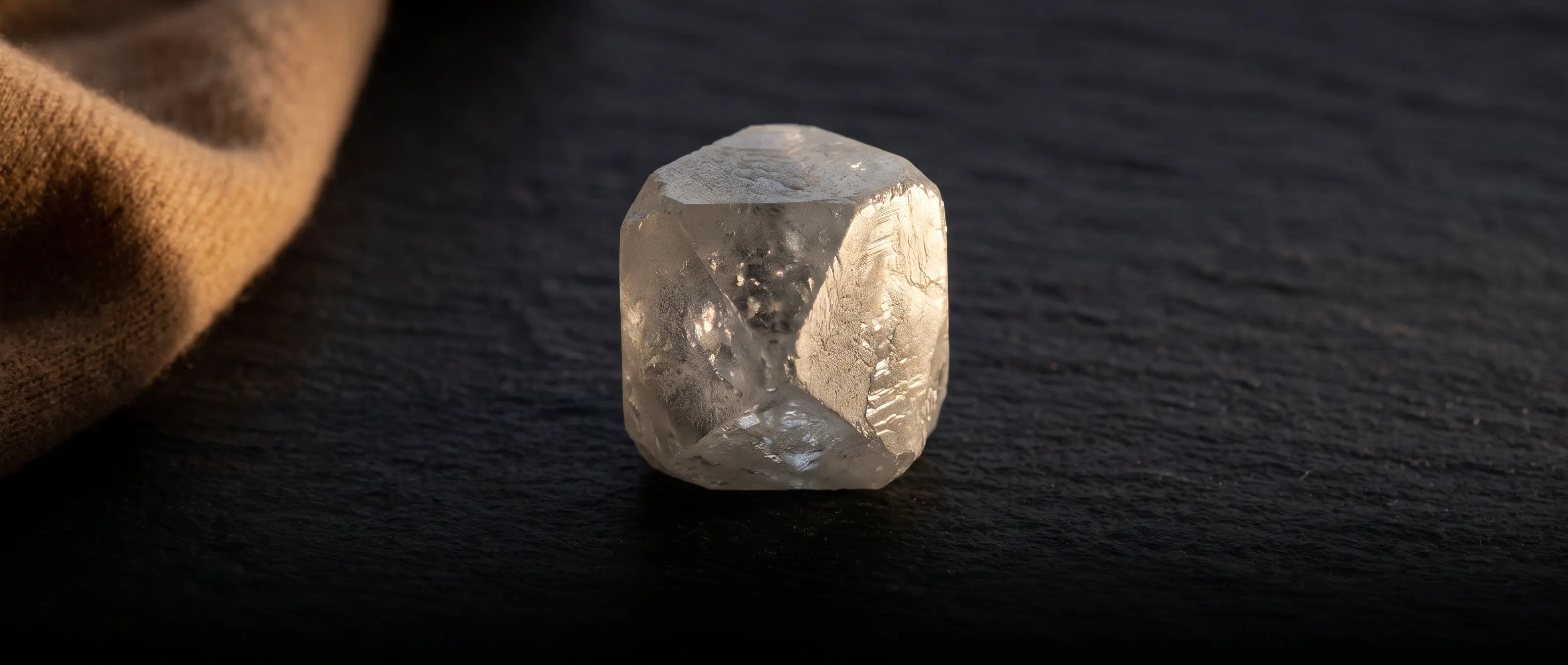
How a lab-grown diamond forms
A lab-grown diamond starts as a thin slice of diamond, called a seed. It is grown by one of two methods. In chemical vapor deposition (CVD), a carbon-rich gas is broken down so carbon atoms settle onto the seed, layer by layer. In high pressure, high temperature growth (HPHT), carbon is dissolved in molten metal under the pressure and heat at which diamond forms in the earth, and crystallizes onto the seed. Either way, the result is diamond: carbon atoms locked in the same cubic lattice as a mined stone.
Identical in material, different in origin
A lab-grown diamond has the same chemical, physical and optical properties as a mined diamond: the same hardness, the same refractive index, the same fire. It is graded on the same scales for cut, color, clarity and carat. The difference is where it came from, which is why it is always described as lab-grown.
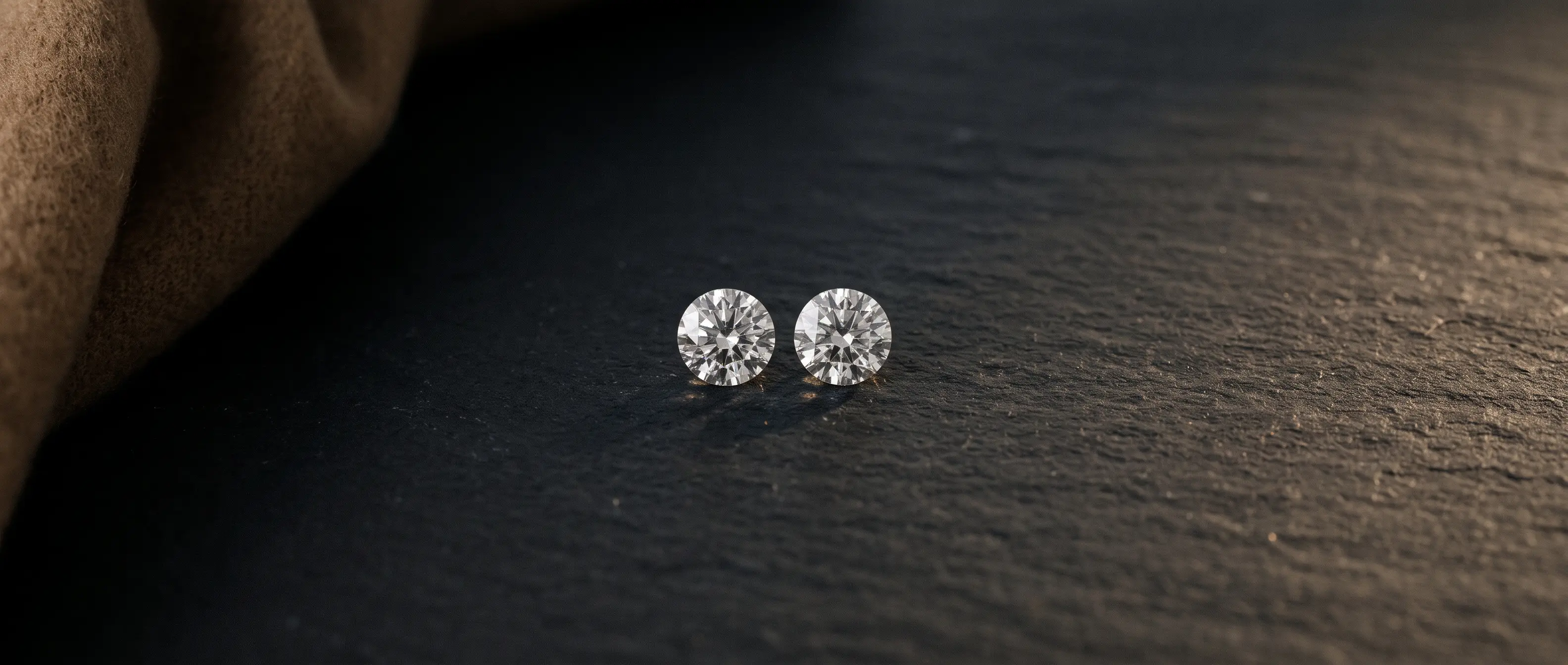
No mining in our supply
Because none of our diamonds are mined, none of them come with the questions that surround mined stones about where they came from and who was affected along the way.
Documented
Where a piece includes an IGI grading report, its product page says so; the report records the stone’s characteristics independently of us.
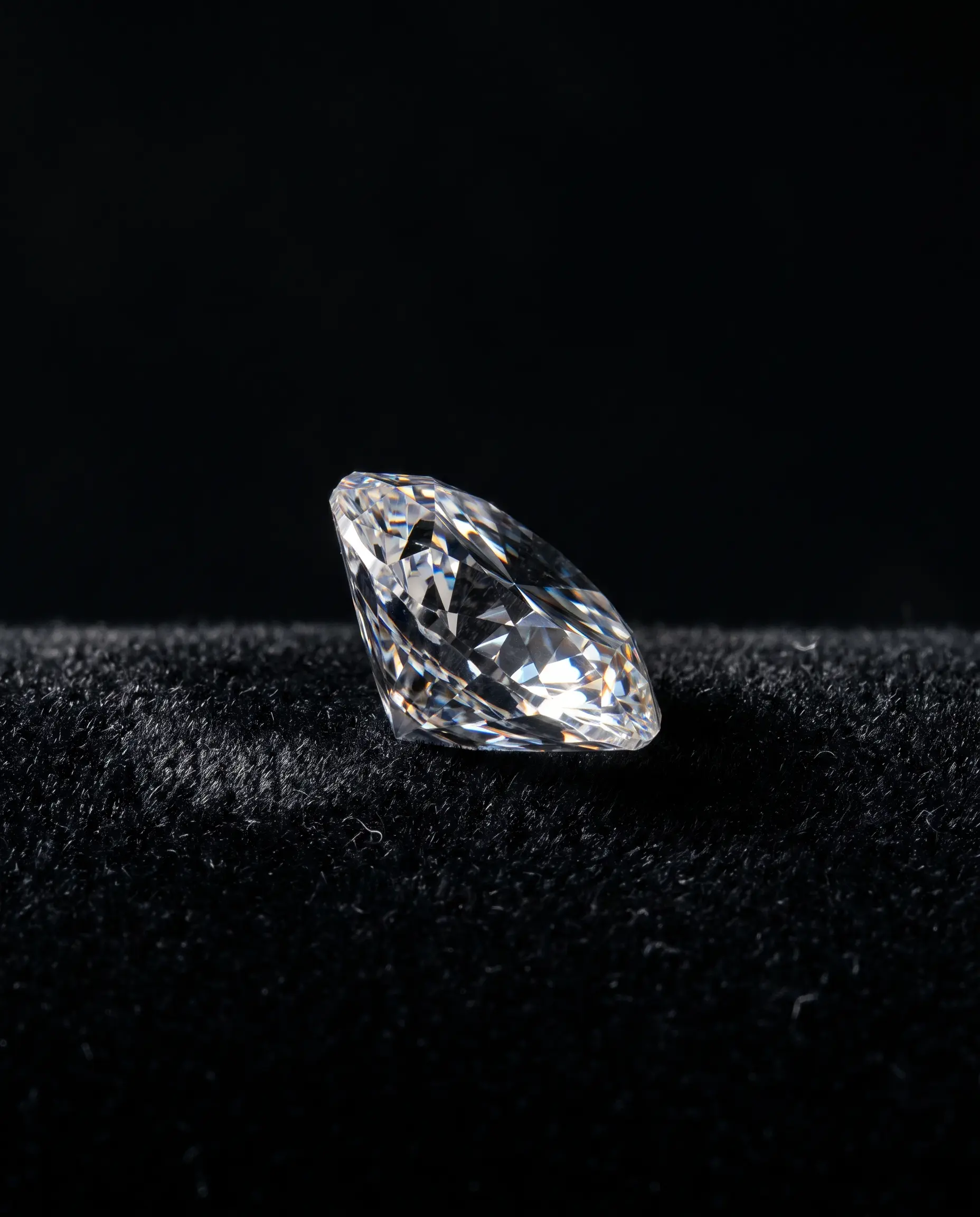
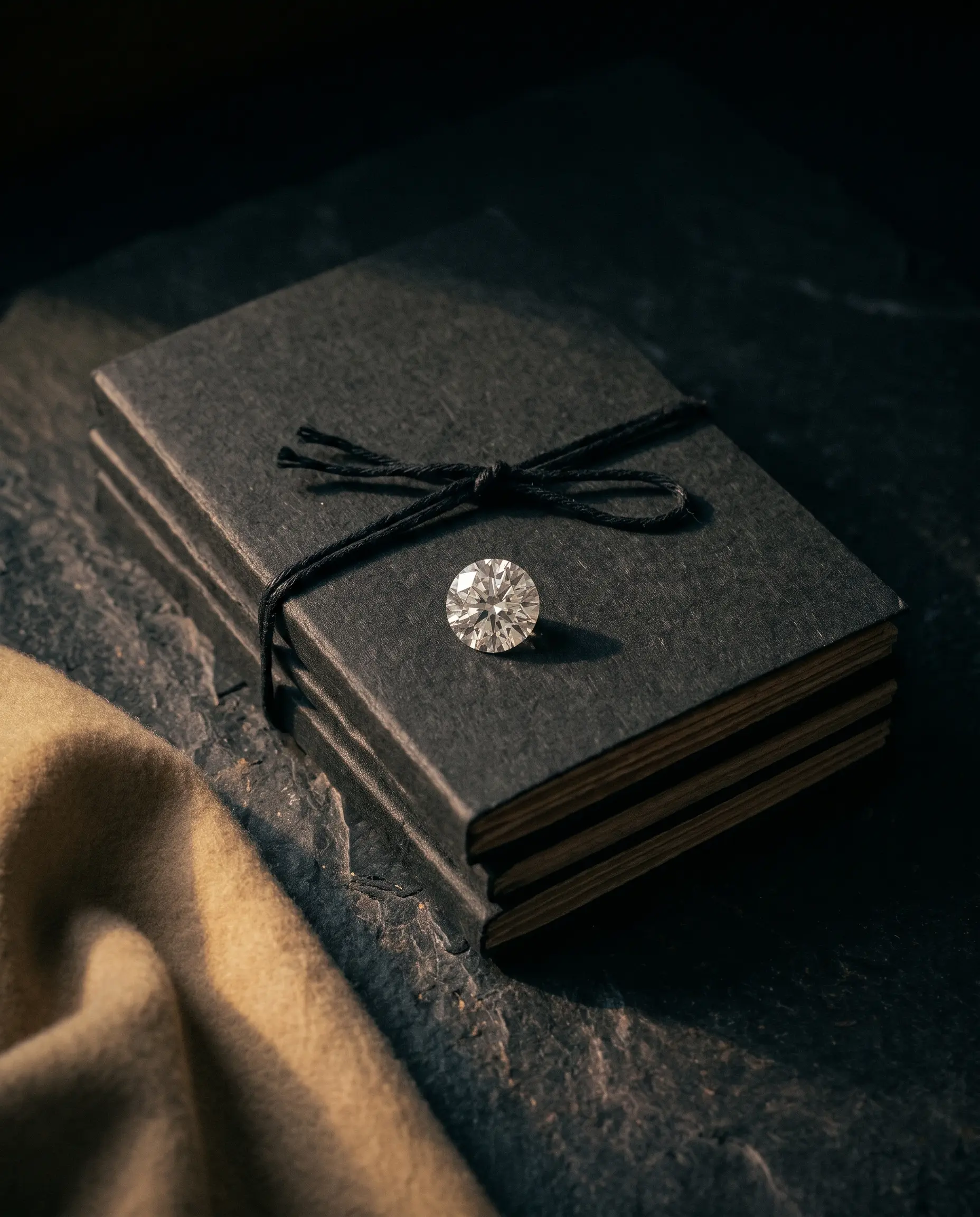
Lab-grown diamonds, set in gold
All diamond jewelry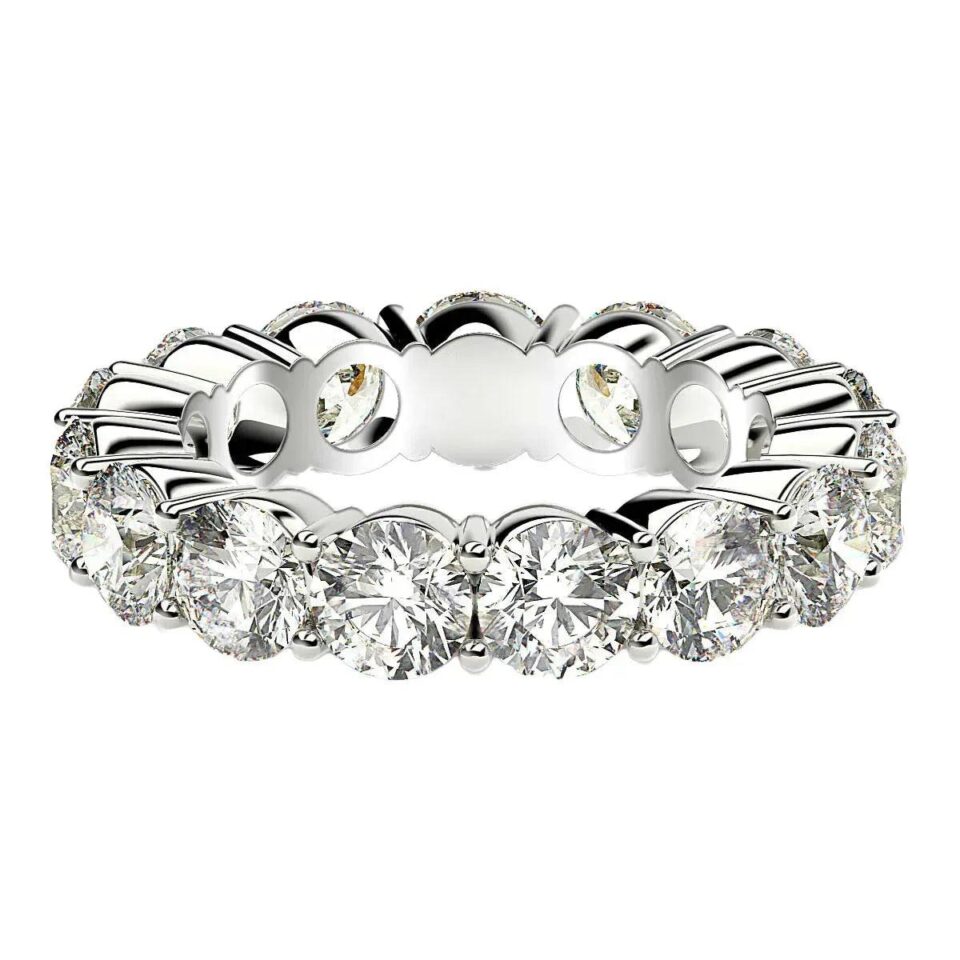
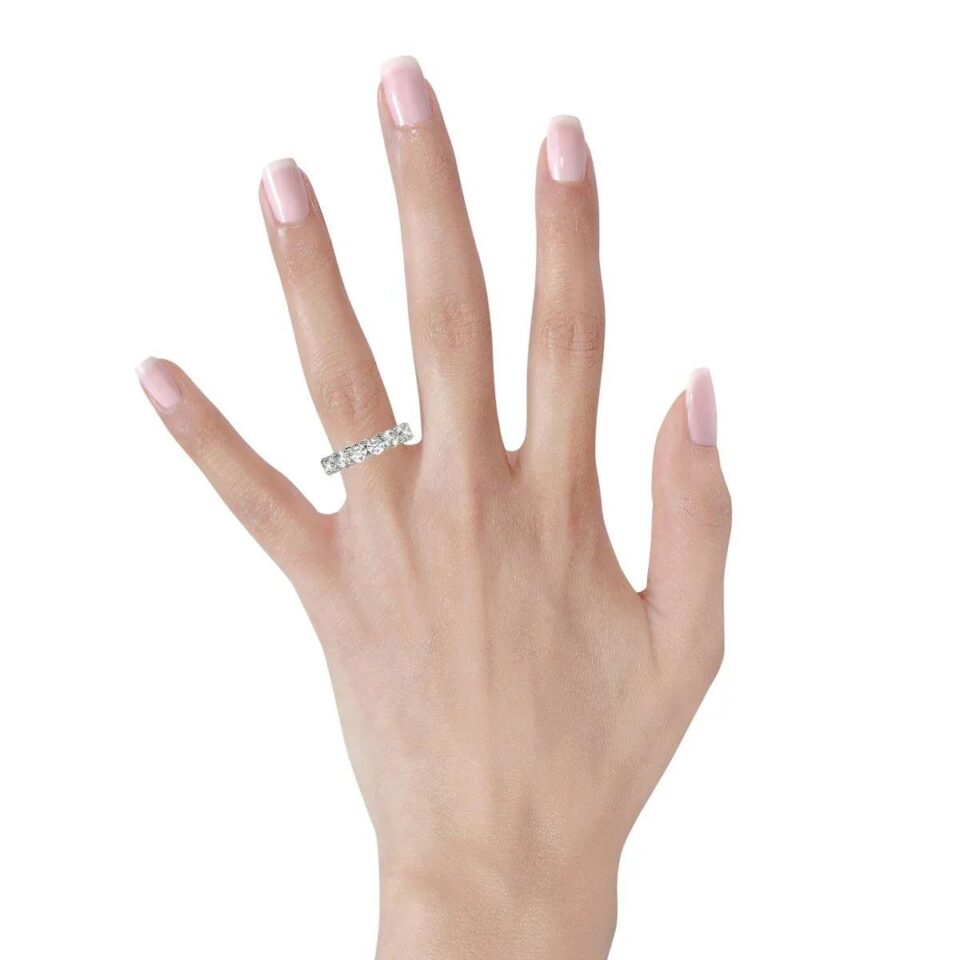
Lab-Grown Diamond Round Cut Eternity Ring, 5 ct tw, 14K White Gold
14K White Gold · 5 ct tw Lab-Grown Diamonds
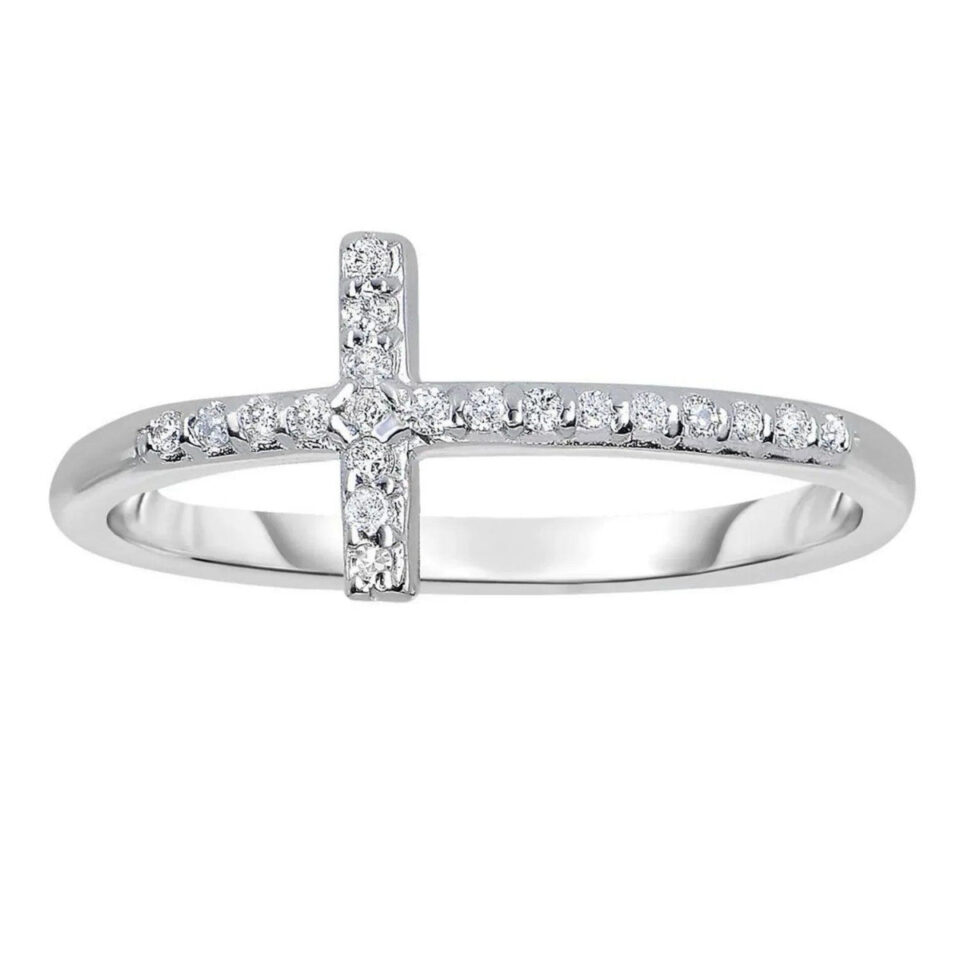
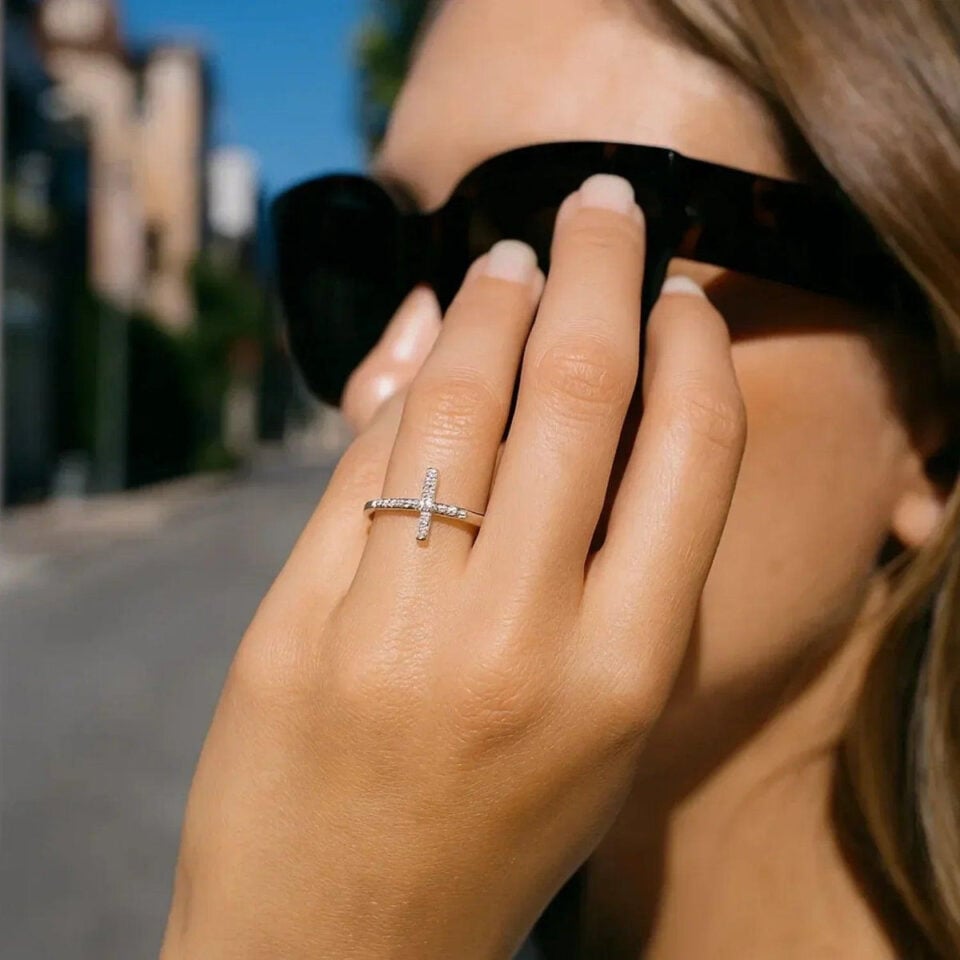
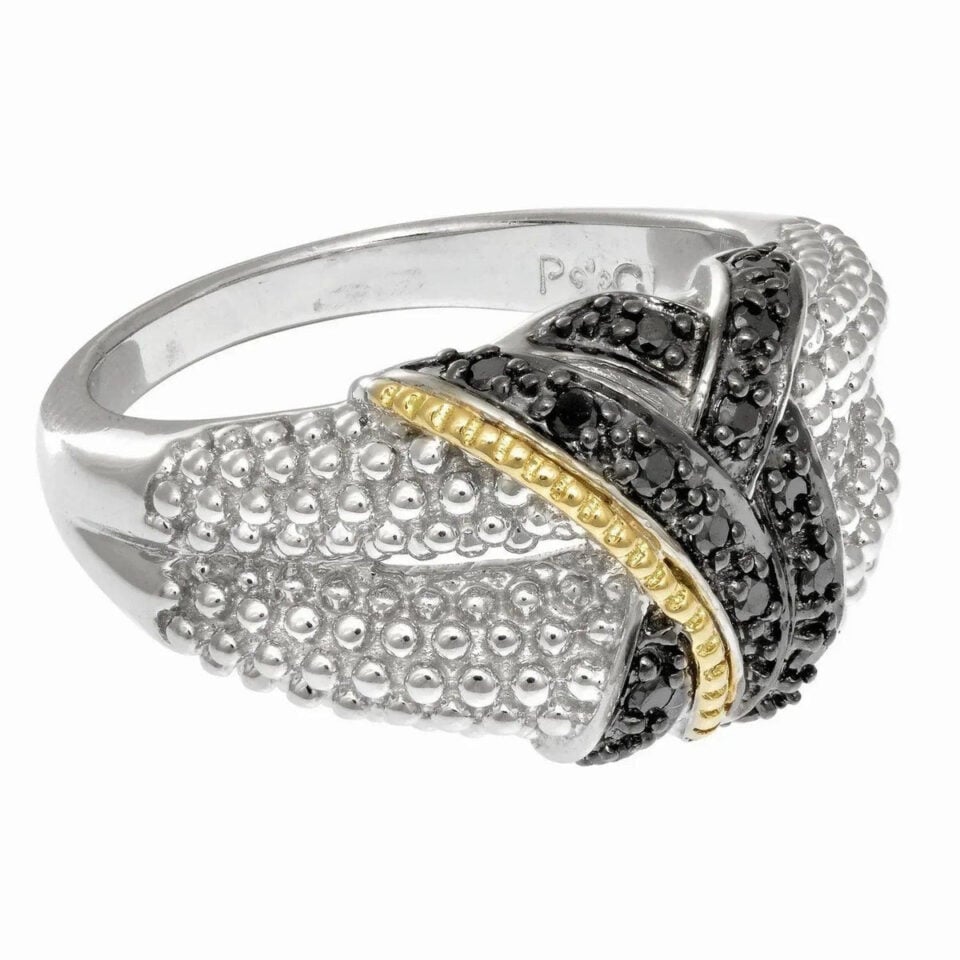
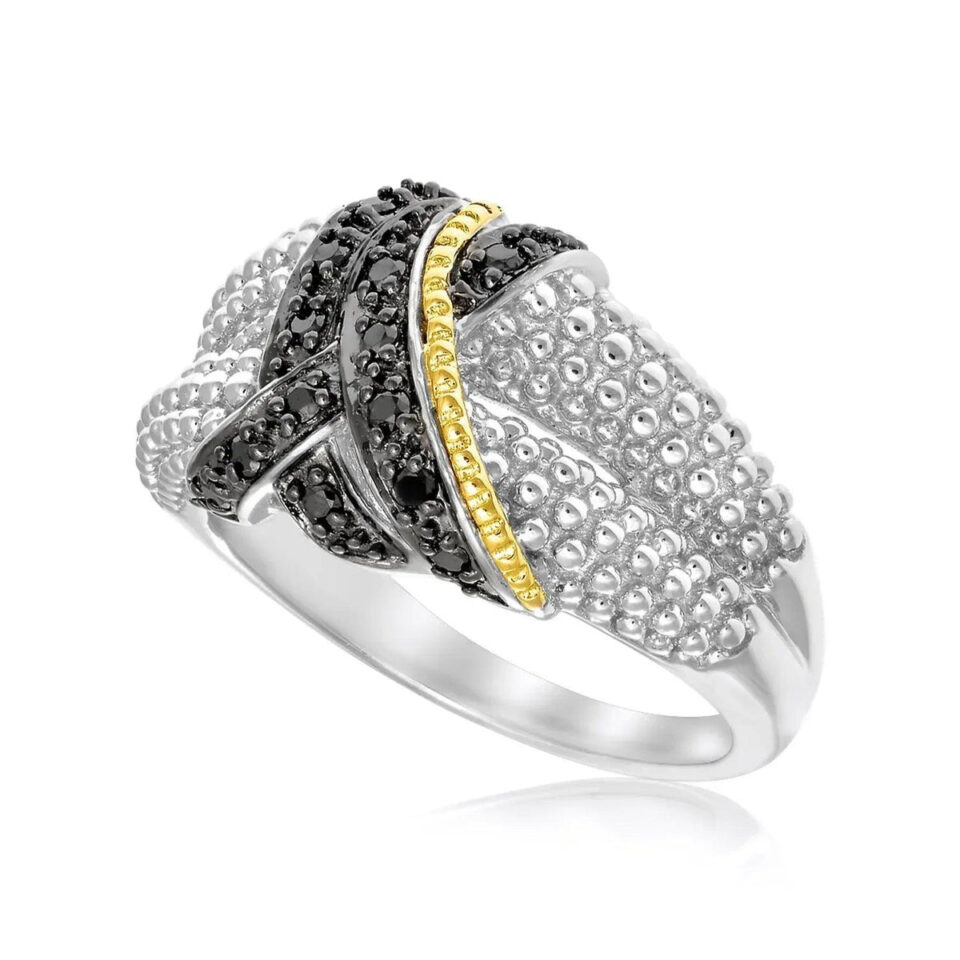
18K Gold and Sterling Silver Lab-Grown Diamond Entwined Popcorn Ring
18K Gold and Sterling Silver · Lab-Grown Diamonds
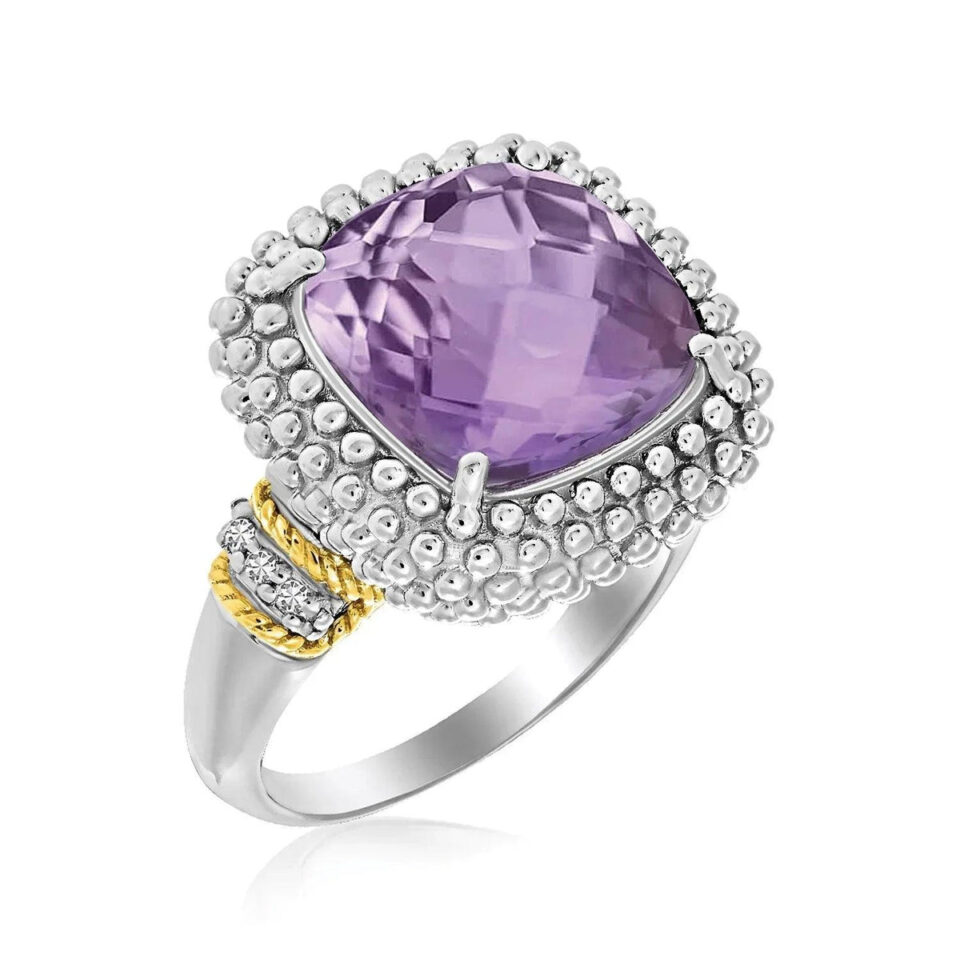
18K Gold and Sterling Silver Lab-Grown Diamond Popcorn Amethyst Accents Ring
18K Gold and Sterling Silver · Lab-Grown Diamonds
Continue