Chrome Hearts jewelry is made mainly in .925 sterling silver, with a smaller line in gold, most often 22K yellow gold and 18K white gold, and details in diamonds, leather and ebony. The silver is solid, not plated, which is why the pieces are heavy, why they darken with age, and part of why they cost what they do.
Peelerie is an independent New York jeweler and is not affiliated with Chrome Hearts. This guide explains the materials so you know what you are looking at.
The short history
Chrome Hearts was founded in Los Angeles in 1988 by Richard Stark with John Bowman and silversmith Leonard Kamhout. It began with leather motorcycle gear and silver hardware for it, and the gothic vocabulary of that hardware, crosses, daggers and fleurs, became the jewelry the brand is known for. Richard Stark and Laurie Lynn Stark own it today.
What the materials are
| Material | What it is | What it means in wear |
|---|---|---|
| .925 sterling silver | 92.5% silver, 7.5% other metal, usually copper | Solid and heavy; darkens with age into the patina the style relies on |
| 22K yellow gold | 91.7% gold | Very rich, deep yellow; softer than 14K, so it marks more easily |
| 18K white gold | 75% gold alloyed with white metals | Bright and durable; often finished with rhodium |
| Diamonds | Set into crosses, bands and pendants | Add sparkle against the dark, oxidized silver |
| Leather and ebony | Cords, inlays and accessories | The brand’s origin in leather goods |
Is Chrome Hearts real silver?
Yes. The silver jewelry is .925 sterling silver throughout, not silver-plated base metal. That matters: plating wears through, solid sterling does not. The recessed areas of many pieces are deliberately darkened, a finish called oxidizing, so the raised gothic details stand out.
Why does it tarnish?
Sterling silver reacts with sulfur in the air and slowly darkens. On a Chrome Hearts piece much of that is intended: the dark recesses are part of the look. To keep the raised surfaces bright, use a silver polishing cloth and avoid dips, which strip the oxidized finish from the recesses too.
Why it costs so much
Three things drive the price: a large amount of solid metal in each piece, a great deal of hand finishing to bring out the relief, and the brand’s deliberately limited distribution. Of the three, only the first is about material. If what you love is the weight of solid metal and the gothic cross and heart motifs, those can be had in other houses’ solid gold and silver.
Sterling silver or solid gold for everyday wear?
| Sterling silver | Solid 14K gold | |
|---|---|---|
| Color over time | Darkens; needs polishing | Stays the same |
| Weight for the same size | Lighter than gold | Heavier and denser |
| Scratches | Marks fairly easily | More resistant |
| Showering and swimming | Tarnishes faster | Unaffected by water; rinse after chlorine |
| Price | Lower | Higher, tied to the gold it contains |
Silver suits pieces worn for their patina and weight; gold suits pieces worn every day that you want to look the same in ten years.
How to tell solid silver from plated
Solid sterling is usually stamped .925 or 925 on a clasp, bail or inner surface. It feels heavier than plated base metal of the same size, and when it wears it stays silver all the way through rather than showing a yellow or grey metal underneath. Be wary of very low prices for heavy-looking pieces: weight is what costs money in solid metal.
The look, in solid gold
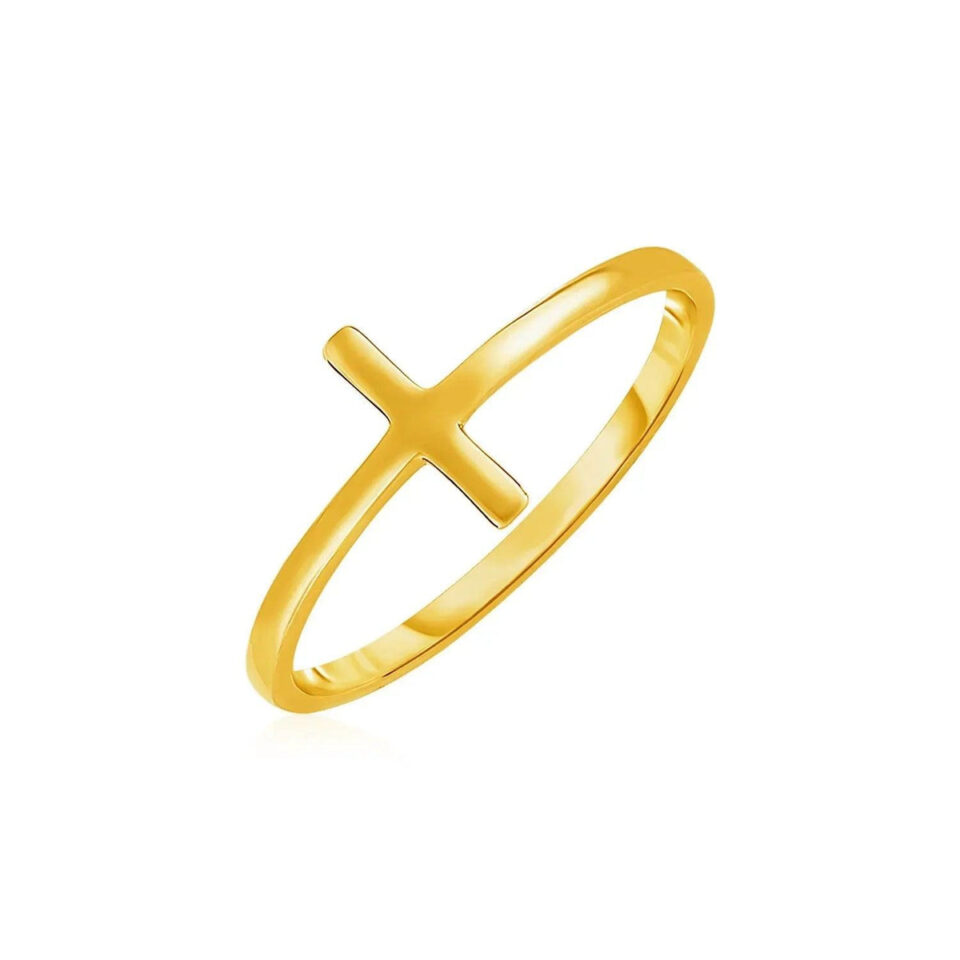
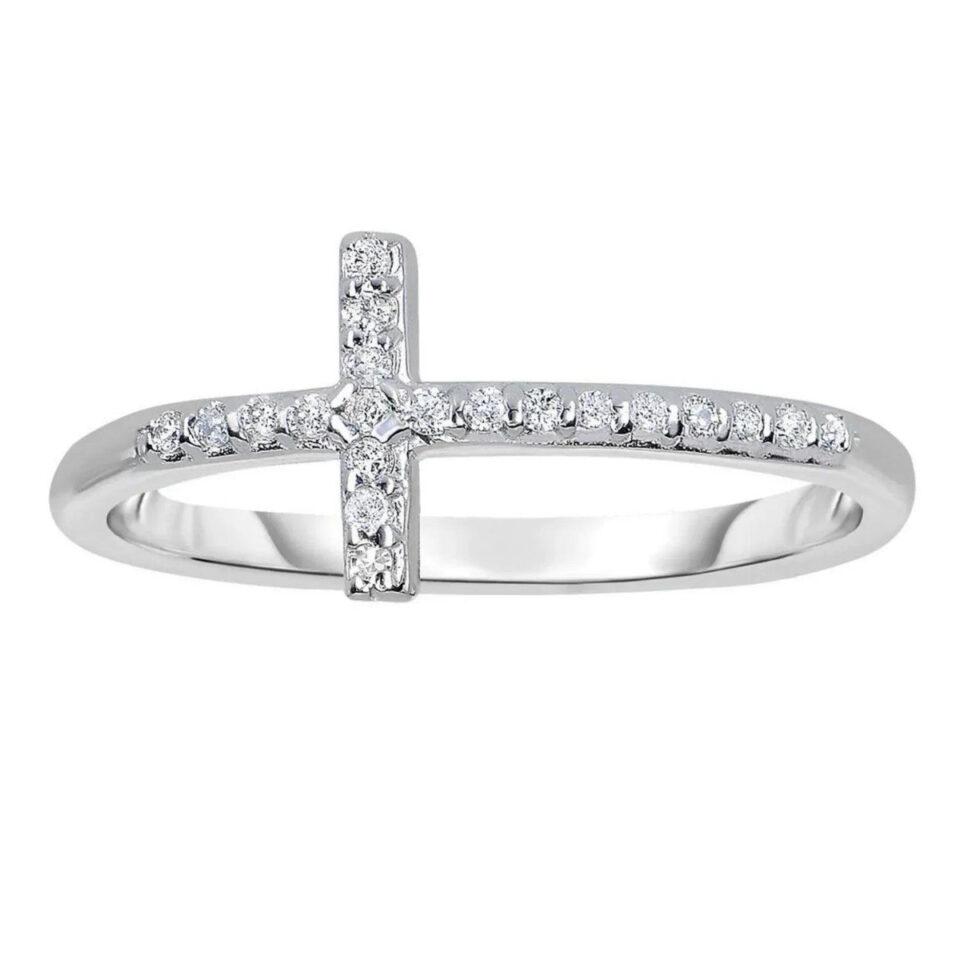
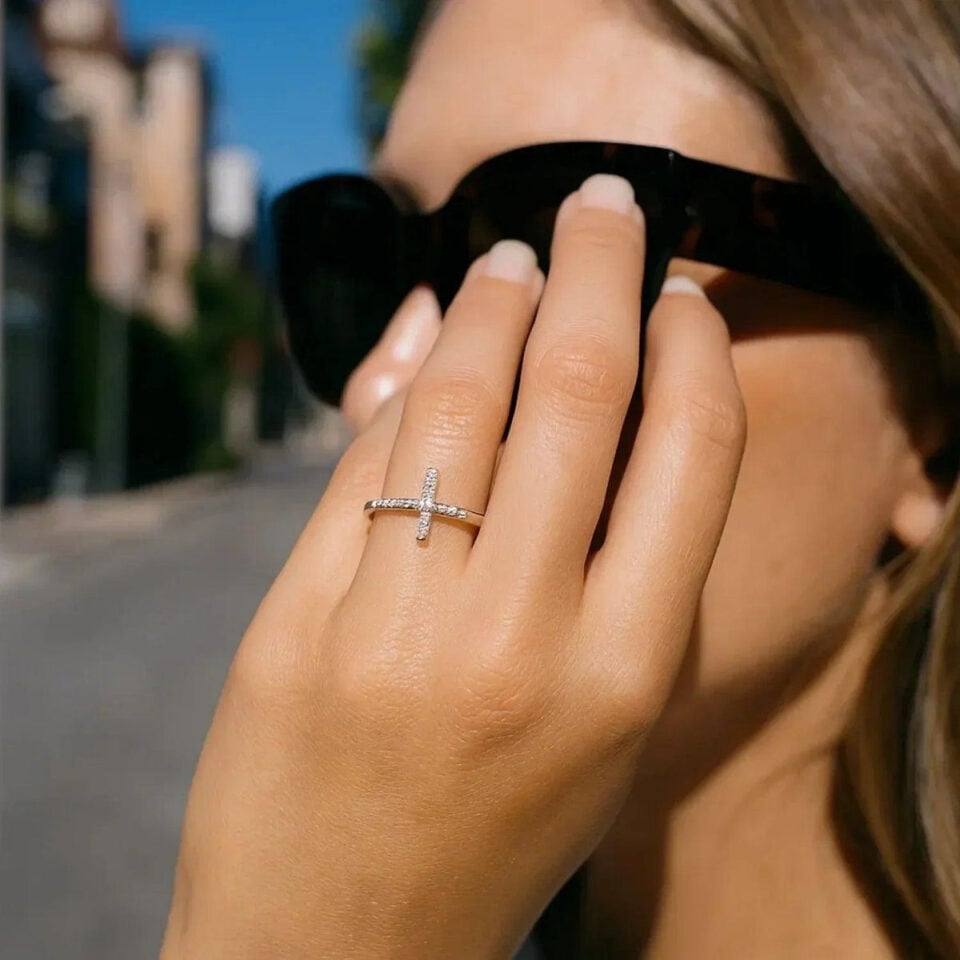
If you are drawn to the cross and heart motifs but want gold rather than oxidized silver, look for solid gold rather than gold-plated silver: it will not wear through to another color. Peelerie’s cross and heart collections are made in solid 14K gold and sterling silver, with the metal, weight and construction stated on every piece.
Shop cross jewelryShop heart jewelryMen’s chains

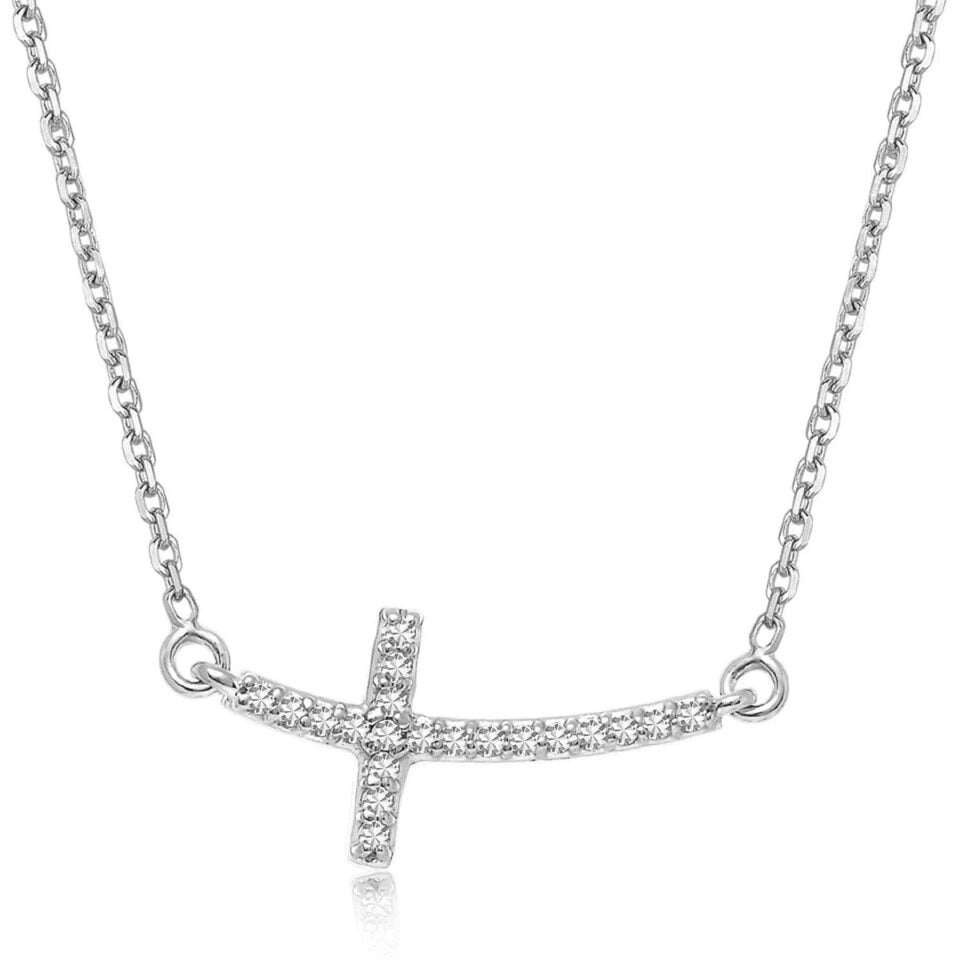
14K White Gold Cross Lab-Grown Diamond Necklace
14K White Gold · Lab-Grown Diamonds
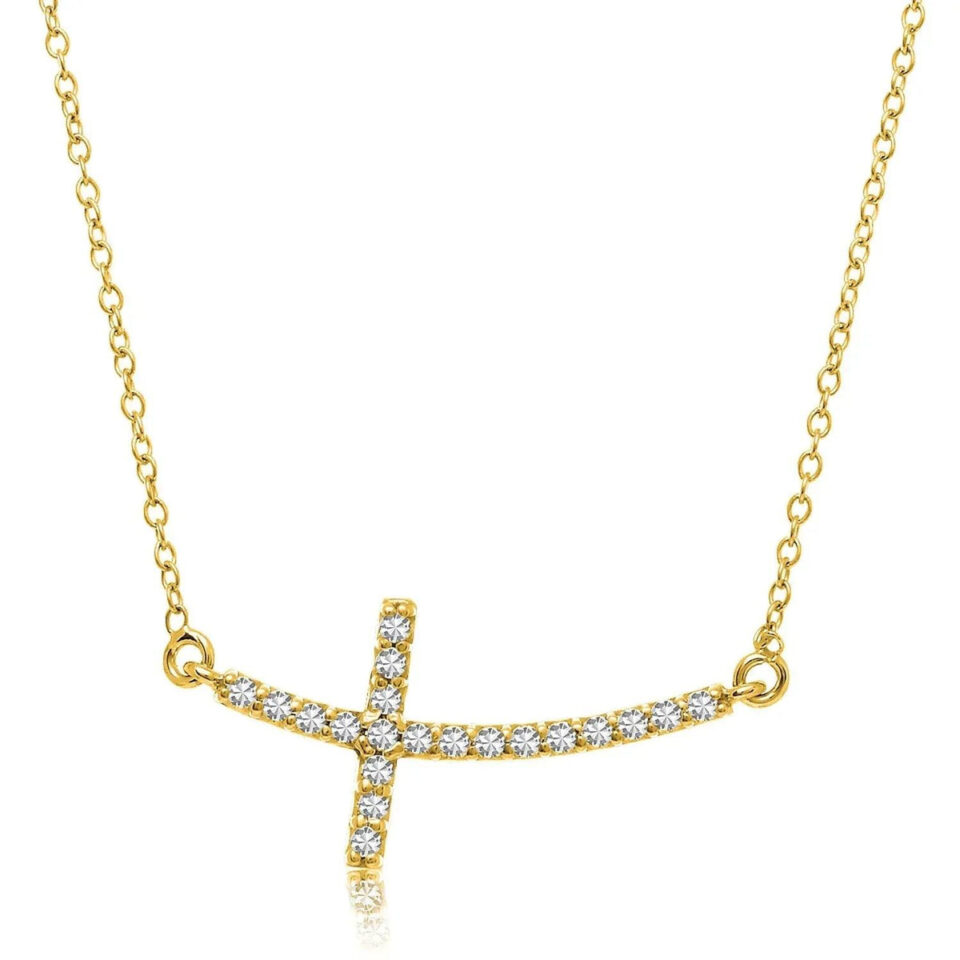
14K Yellow Gold Lab-Grown Diamond Necklace 0.21 ct tw
14K Yellow Gold · 0.21 ct tw Lab-Grown Diamonds
Questions
What silver does Chrome Hearts use?
.925 sterling silver, which is 92.5% pure silver.
Does Chrome Hearts use real gold?
Yes. Gold pieces are made most often in 22K yellow gold and 18K white gold.
Will Chrome Hearts turn my skin green?
Solid sterling silver rarely does. Darkening on skin is usually tarnish rubbing off, and it washes away.
How do I clean Chrome Hearts jewelry?
A soft silver polishing cloth on the raised surfaces only. Avoid dips and ultrasonic cleaners, which remove the intended dark finish from the recesses.