Material Standard // 03
Precision.
Physics.
Integrity.
Every diamond Peelerie sells is lab-grown. This guide explains what that means, how they are graded, and how the major shapes behave.
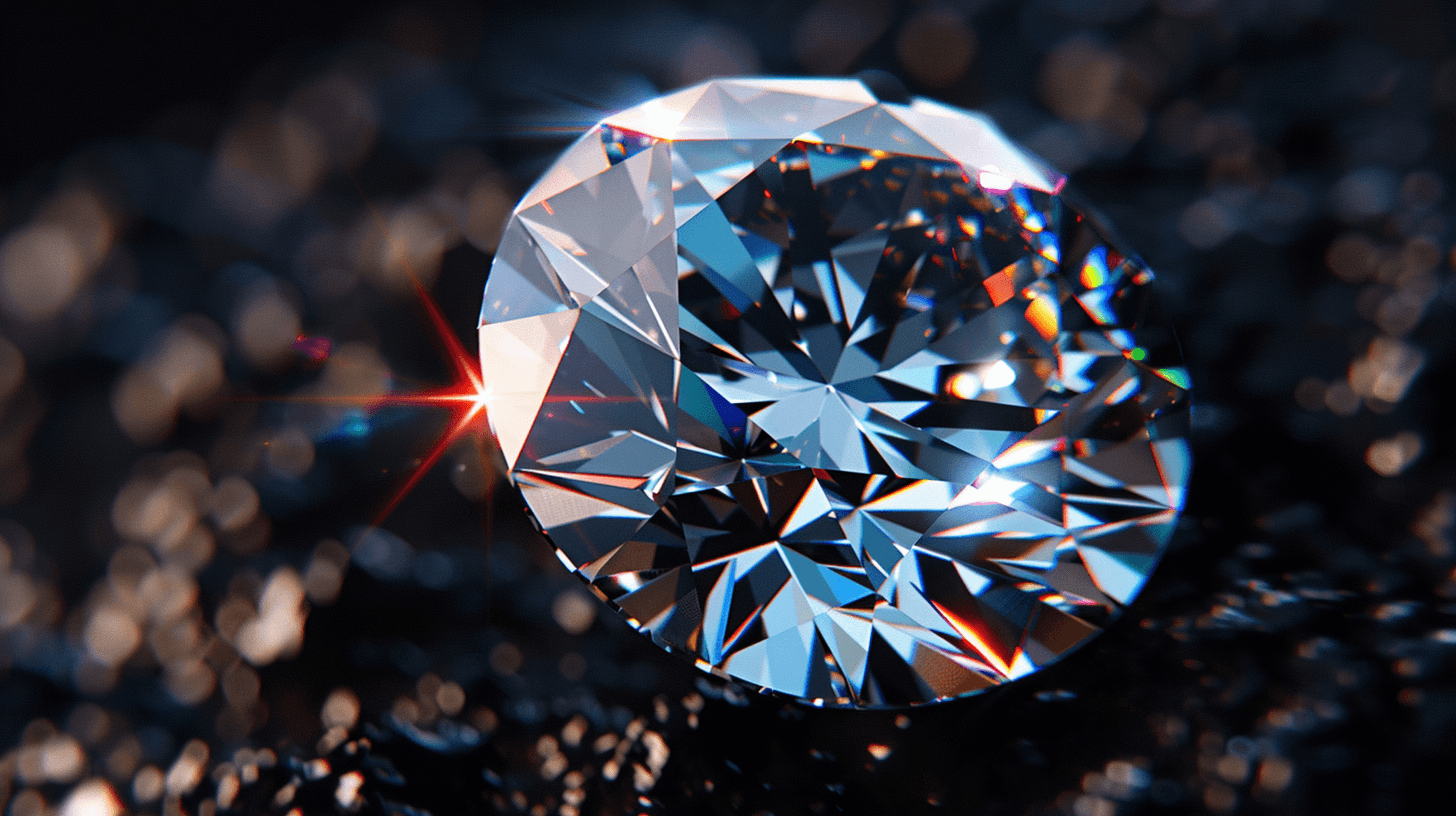
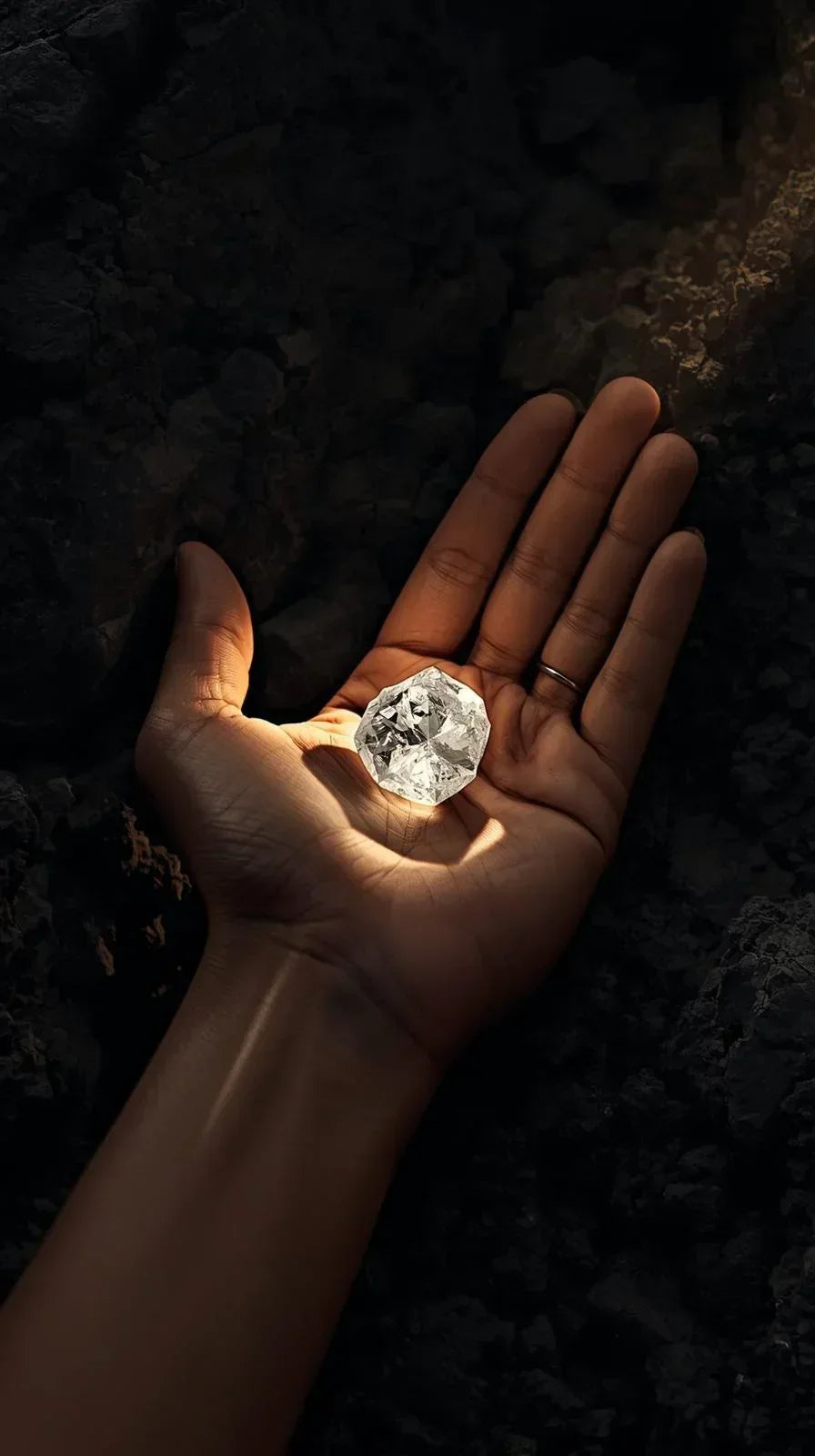
A diamond, grown
A lab-grown diamond is carbon crystallized in the same cubic structure as a mined diamond, with the same chemical, physical and optical properties: the same hardness, brilliance and fire. It is grown from a diamond seed by chemical vapor deposition (CVD) or by high pressure and high temperature (HPHT). It is described as lab-grown because that is its origin. How lab-grown diamonds form.
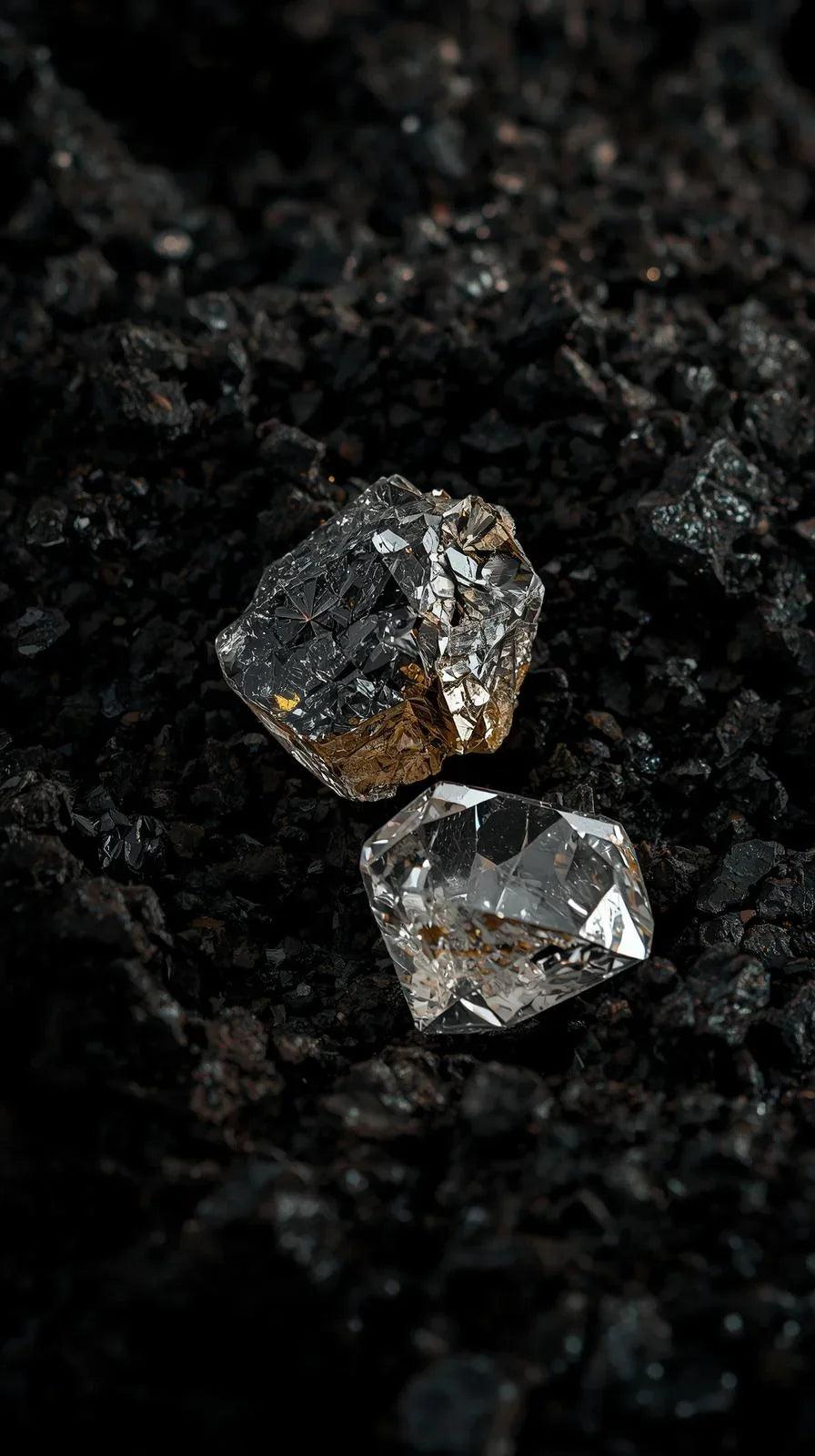
Lab-grown and mined
The difference is origin and price, not material. A mined diamond formed in the earth over a very long time and was extracted; a lab-grown diamond formed in weeks under controlled conditions. Both are graded on the same scales, and only specialist laboratory equipment can tell them apart.
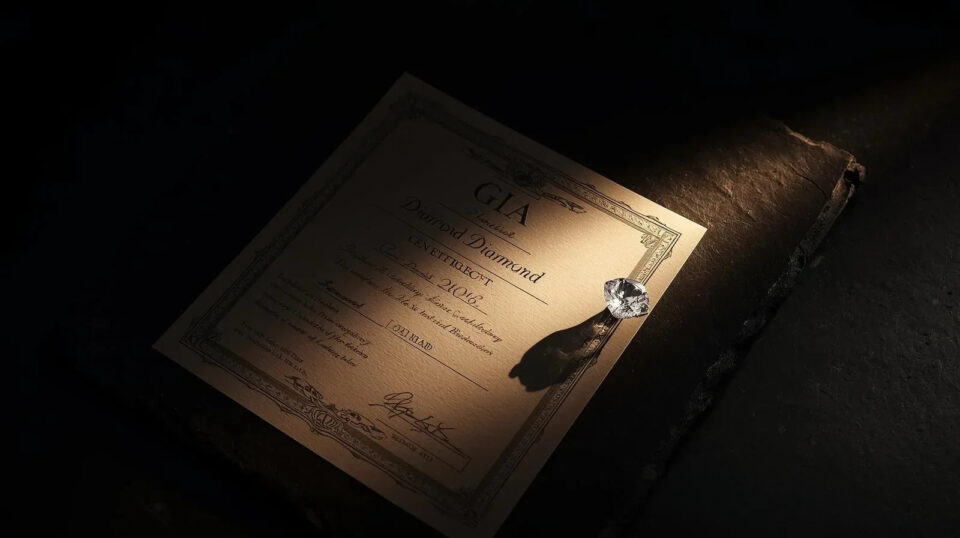
Graded and certified
Every piece set with Peelerie lab-grown diamonds ships with its grading certificate. See Diamond Documentation.
The shapes
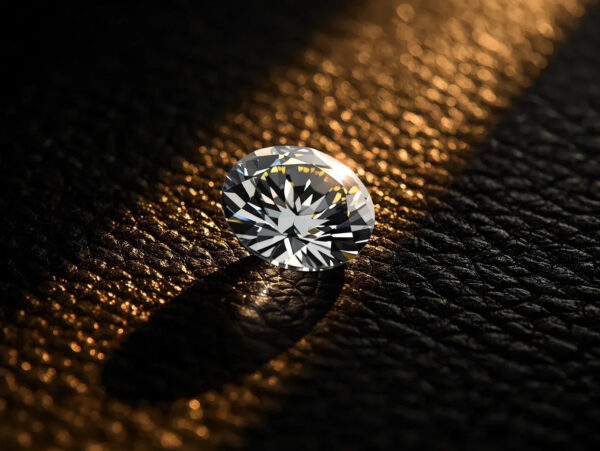
Round
The most faceted and most brilliant shape, cut to return the most light. The classic choice for solitaires and studs.
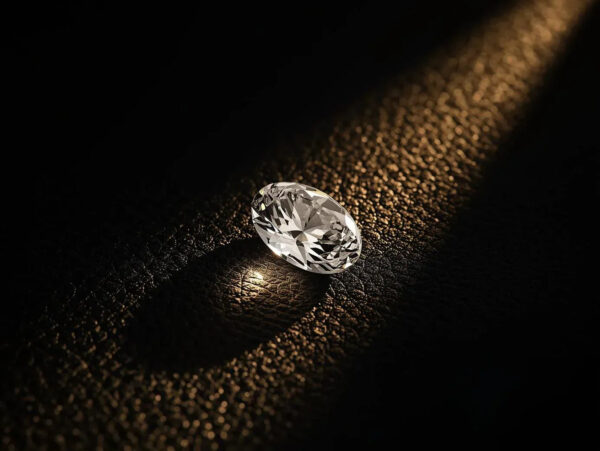
Oval
An elongated brilliant with nearly the sparkle of a round, which looks larger for its weight and lengthens the finger.
Emerald
A step cut with long, open facets that show depth and clarity rather than sparkle, often called a hall-of-mirrors effect. Inclusions are easier to see, so clarity matters more.
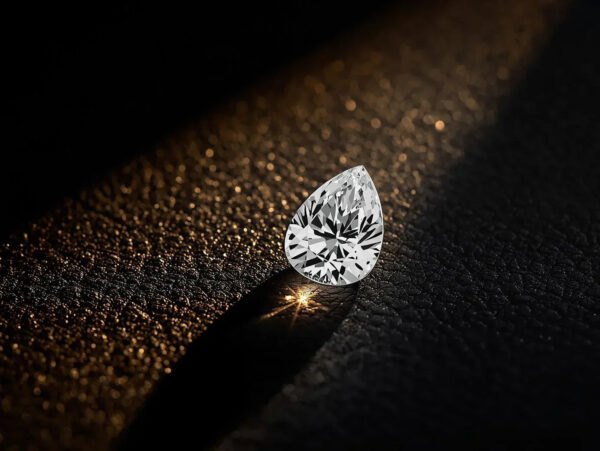
Pear
A rounded end tapering to a point, combining brilliance with direction. Worn point toward the fingertip, it lengthens the hand.
Cushion
A square or rectangular outline with soft corners and large facets that break light into broad flashes.
Continue