Material Comparison
Solid
hardware.
If you wear jewelry every day, plating has an expiry date. Here is the difference, and how to tell which one you are buying.
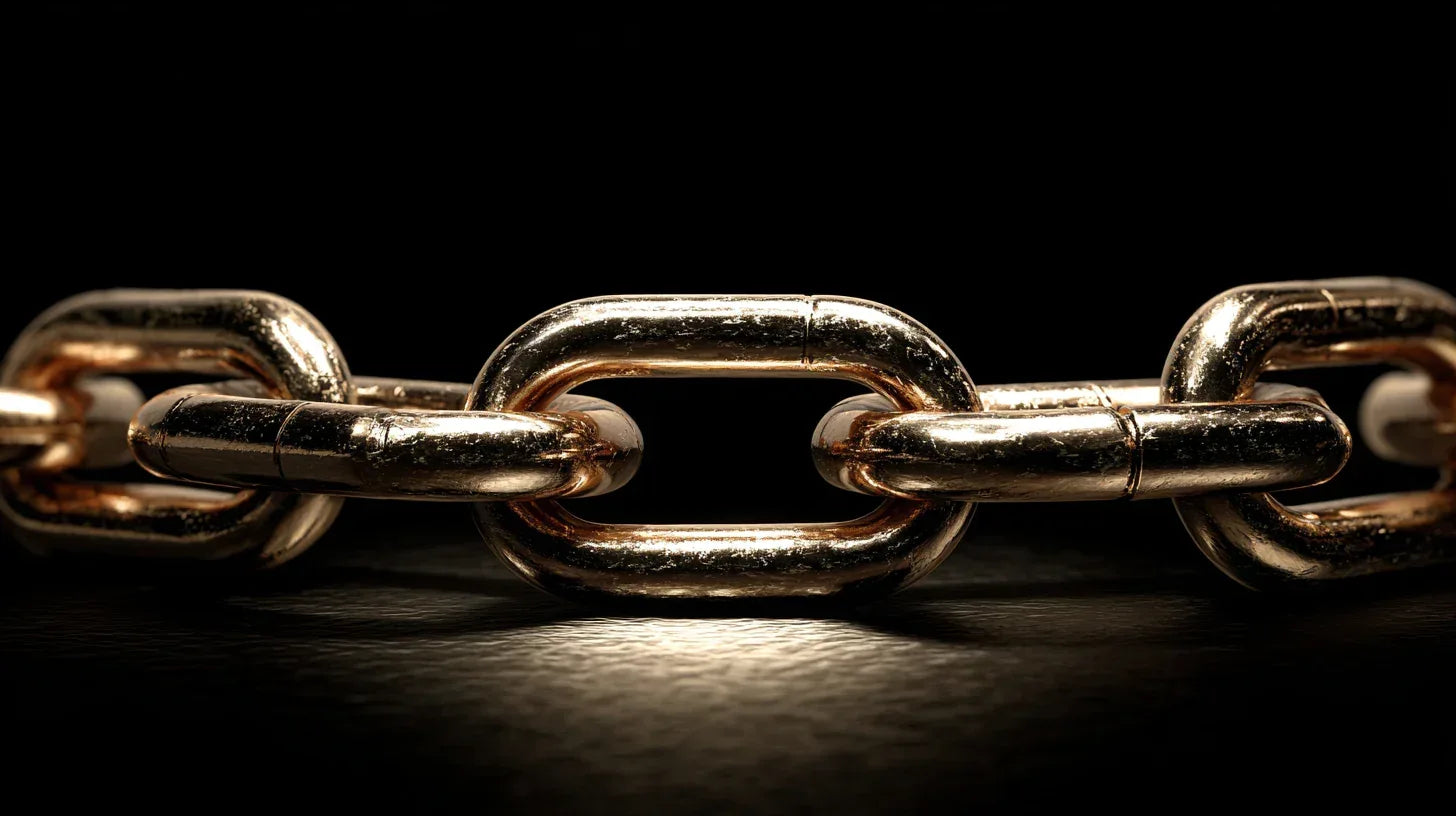

Gold plating
A thin layer of gold applied over another metal, often brass, copper or silver. It looks like gold when new. With daily friction the layer wears, the metal beneath starts to show, and the color shifts.
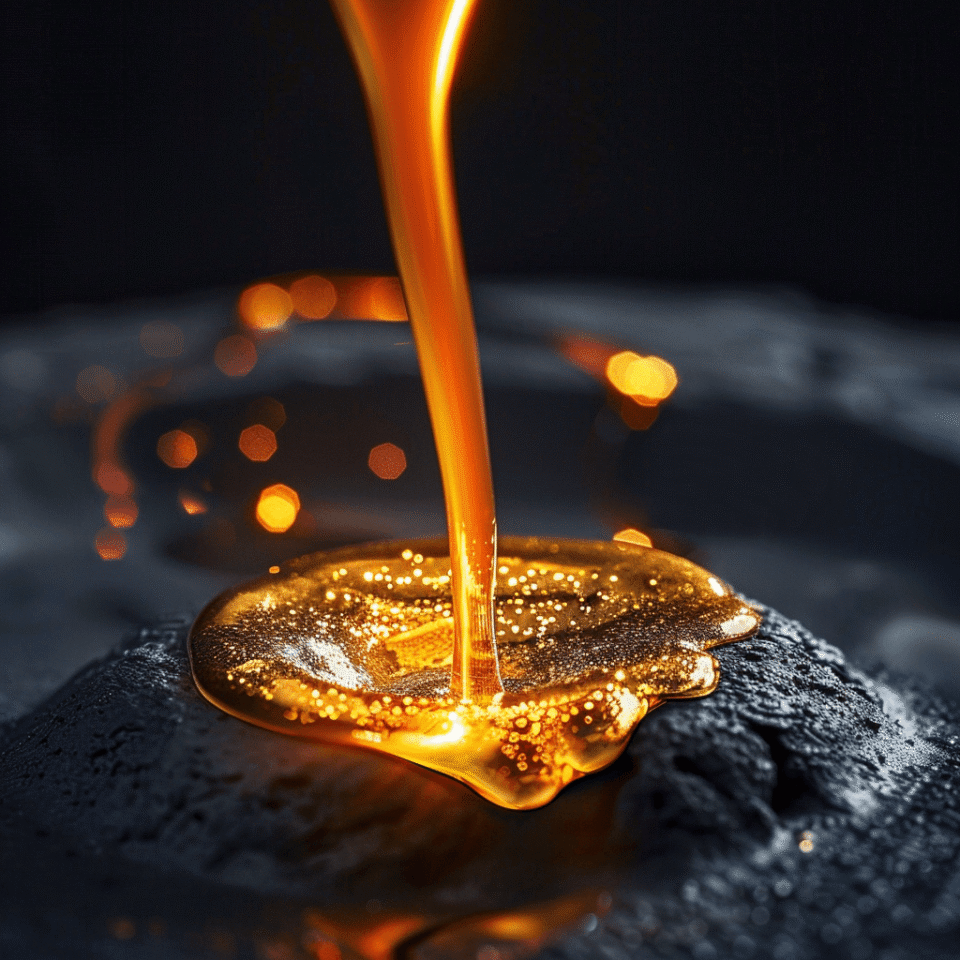
Solid gold
A gold alloy throughout. 14K is 58.5% gold from the surface to the core, so there is no underlying metal to expose. It can be polished, repaired and resized, and it keeps the metal value of the gold it contains.
Side by side
| Solid gold | Gold-plated, vermeil, gold-filled | |
|---|---|---|
| Core | Gold alloy throughout | A different metal beneath a gold layer |
| Daily wear | Stays the same color for decades | The layer wears with friction |
| Skin | No hidden base metal to react | Once worn through, the metal beneath can discolor skin |
| Repair and resizing | Straightforward | Often reveals the base metal |
| Metal value | The gold it contains | Little gold content |
At Peelerie
Most of our pieces are solid gold in 10K, 14K or 18K, or sterling silver. Some sterling silver pieces are plated in gold; where they are, the product name and page say so. We never describe a plated piece as solid.
Questions
What is gold-filled jewelry?
A thicker layer of gold bonded to a base-metal core. It lasts longer than plating, but it still has a different metal underneath.
What is vermeil?
Sterling silver plated with gold of a regulated minimum thickness. It is still plating.
Does solid gold tarnish?
Solid gold resists tarnish in normal wear. Lower karats can dull slightly from chlorine, salt water or cosmetics; a gentle clean restores them.
Can I wear solid gold in the shower?
Yes. Rinse after chlorine or salt water and dry the piece to keep the surface bright.
Continue